Ángel Nieto, the legendary Spanish motorcycle racer and thirteen-time world champion, became the unexpected protagonist of a memorable television moment in the 1990s. During a live episode of the popular variety show El gran juego de la oca, he was slapped on air in a scene replayed and discussed for decades. The Antena 3-associated programme mixed games with entertainment, bringing the unpredictability of live performance into the studio.
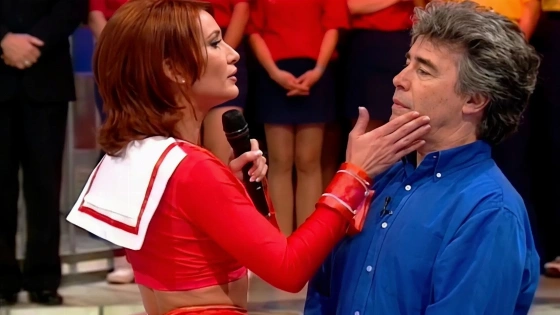
The incident unfolded during the show's notorious “Beso o tortazo” segment, a game designed to add humor and unpredictability to the broadcast. The rules were simple: female participants approached the guest, each with a hidden sign on her back reading either “beso” (kiss) or “tortazo” (slap). After telling a short, ambiguous story, the guest had to guess whether the punchline would bring a kiss or a slap.
What was meant to be a lighthearted gag quickly spiraled out of control. When it was Nieto’s turn, one participant delivered a slap so forceful that its sound echoed through the studio microphones. The impact left Nieto visibly shaken, his cheek reddened and his composure momentarily lost in front of millions of viewers. The audience and production team were caught off guard by the blow’s intensity, and the moment turned uncomfortable at once.
Despite his experience handling high-pressure situations on the racetrack, Nieto reacted immediately and candidly. Holding his face, he openly criticized the participant’s excessive force, uttering phrases that would become part of Spanish pop culture: “te has pegado un pasote tú, eh” and “se ha pegado un pasote de narices.” His frustration was clear. The studio atmosphere shifted from festive to tense in seconds.
The show’s host quickly intervened, apologizing to Nieto and urging the other participants to moderate their actions. She blamed nerves and inexperience, emphasizing that the segment was never intended to cause harm. The program continued as planned, but the tension lingered, and Nieto remained visibly uncomfortable until the segment ended.
Television was already part of Nieto’s public life well before his game-show appearance. In 1982, El País reported his criticism of what he considered poor television treatment. His fame extended well beyond broadcasting: Spanish coverage often rendered his 13 world titles as “12+1,” a formulation he preferred. That distinction became a familiar part of his public identity as a racing champion and a widely recognized television figure.
The slap became a defining moment in Spanish television, showing how live broadcasts can veer unexpectedly off script. Decades later, clips of the incident continue to circulate on platforms like YouTube, recalling the unpredictability of live entertainment in the 1990s.
Ángel Nieto’s career was marked by ability to recover and composure, but this televised episode revealed the risks of mixing physical comedy with real emotion. The incident remains a reference point in discussions about the boundaries of humor and the responsibilities of live television production. His place in Spanish broadcasting endured after his death in 2017: Mediaset later paid tribute to him with coverage of public commemorations in Madrid, describing him as the “12+1 world motorcycle champion.” As Spanish TV evolved, moments like this fueled continuing debates about safety and respect, alongside the unpredictable power of live broadcasts.