Three ambulances entering the AVE side at once created a bottleneck. Crews responded by turning patient removal into a rolling shuttle. Sergio Esteban, the SESCAM emergency nursing manager, described the response in an interview with Gaceta Médica.
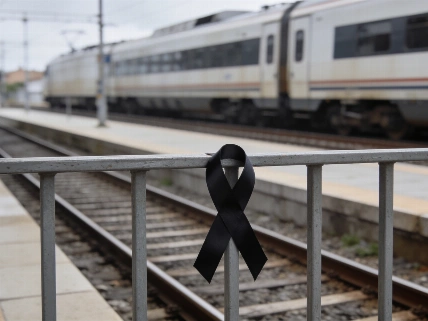
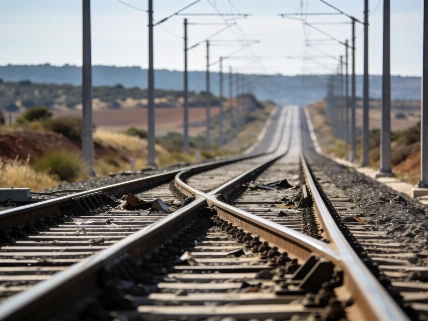
The collision between Renfe AVE service 02080 and Iryo train 6076 on the Madrid to Andalusia high-speed line left 69 people dead and more than 100 injured, according to the supplied account. The trains carried 544 passengers in total: 397 on the AVE and 147 on the Iryo. The crash occurred at about 8:53 to 8:54 a.m. on 28 October near kilometre 118, between Urda and Los Yébenes in Toledo. Castilla-La Mancha activated its emergency plan at level 2.
Esteban received the alert two minutes before 9am and travelled to the site with five other staff from the emergency and transport service management team. They were among the first medical personnel to reach the impact zone. They checked that the scene was safe before deploying resources and coordinated with firefighters. Guardia Civil officers were already working around the perimeter. A preliminary estimate put the impact speed at between 160 and 200 kilometres per hour.
Scattered carriages created two separate areas of need. The AVE struck the rear of the stationary Iryo train, derailing carriages and sending some down an embankment. Around 100 affected passengers were initially counted on the Iryo side, where the Gigante 4 support unit began assessment and triage. Esteban and a colleague entered the damaged AVE train. They assessed four or five trapped passengers and took on medical command for that section.
Heavy vehicles could not reach the AVE area, preventing the planned installation of two advanced medical posts. Crews instead formed an ambulance rotation, prioritising patients according to the triage carried out at the scene. Passengers able to walk or communicate were directed to safe assembly areas for identification and care.
Patients were moved according to changing clinical priorities. Those classified as red went first, followed by yellow-category patients. The deceased were dealt with afterwards. Esteban stressed that triage can change as a patient’s condition worsens. Most of those treated had severe multiple injuries, he said.
The regional emergency coordination centre sent mass text alerts to check staff availability and arranged meeting points for reinforcement convoys. SESCAM also kept on-duty teams at health centres in place. Hospitals received advance warnings, and beds were reserved according to clinical need. Regional authorities reported that 110 people were taken to hospital; by Thursday, 60 had been released and about 50 remained hospitalized, including 15 in critical condition. Patients were sent to the University Hospital of Toledo and Mancha Centro Hospital in Alcázar de San Juan. Others went to Ciudad Real General University Hospital, as well as public hospitals in Madrid.
Teams from SUMMA 112 and the Andalusian Health Service joined the response, along with SUAP and SAMUR-Protección Civil. The Military Emergency Unit also took part, while medical helicopters came from Castilla y León. Esteban praised the cooperation between services from different regions. The management team also organised transfers between hospitals for patients needing specialist care.
Residents who offered private vehicles were thanked, but emergency managers said patients needed to be identified and taken to a safe destination under clinical supervision. RUSSPAIN.COM has also covered local assistance in an earlier account from Urda. To free vehicles for supplies, SESCAM cancelled non-emergency transport across the region. Managers contacted health centres and hospital pharmacies to secure pain relief and intravenous fluids.
The emergency management service and SESCAM activated individual psychological support for staff sent to the scene. A review of the response identified medical command arrangements and communications as areas for improvement. Exercises scheduled during the year will test both.