Psychiatrist Fernando Mora outlines five sports tailored to different anxiety symptoms, from racing thoughts to muscle tension. His approach helps match physical activity to emotional needs, but does not replace professional care. Here’s how exercise can support mental well-being.
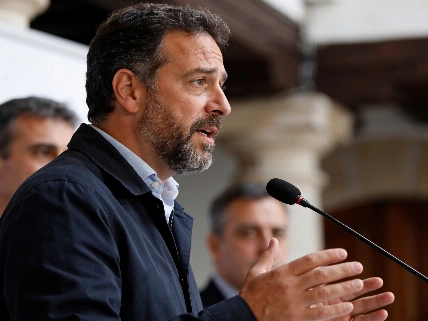
When anxiety takes hold, its symptoms can be as varied as the people who experience them. Psychiatrist Fernando Mora, a faculty member at the Complutense University of Madrid and affiliated with Hospital Universitario Infanta Leonor, has identified five sports that may help manage anxiety, each matched to a specific type of discomfort. His recommendations, as reported by Talent24h, are designed to help individuals select the most suitable activity for their predominant symptoms, though he stresses that exercise is not a substitute for medical evaluation.
Mora emphasizes that not all anxiety looks the same, nor do all people respond identically to physical activity. The key, he suggests, is to align the choice of sport with the main sensation or emotional state a person is experiencing.
Matching Sport to Symptom
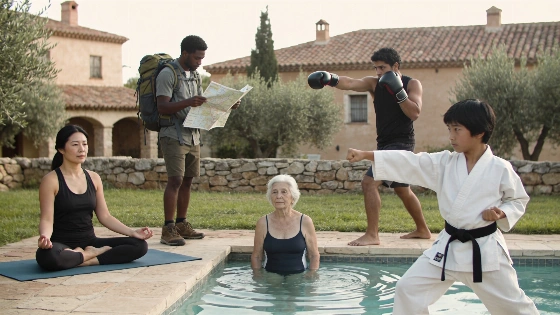
For those whose minds race with constant thoughts, Mora recommends yoga. The combination of controlled breathing, mindful movement, and body awareness can help slow mental pace and anchor attention in the present.
If daily repetition feels suffocating, hiking offers a break from routine. Walking in nature provides a change of scenery and a chance to step back from everyday worries, making it ideal for those who feel trapped by monotony.
When anxiety manifests as muscle tension or physical rigidity, swimming is Mora’s sport of choice. The buoyancy of water allows for full-body movement without stressing the joints, helping to release built-up tension.
For people who feel restless or over-energized, boxing or running can provide a healthy outlet. Both sports demand sustained effort and can channel excess energy, often leaving participants with a greater sense of calm after the session.
Finally, for those struggling with insecurity, martial arts such as karate, judo, or taekwondo can be especially beneficial. These disciplines blend technique, focus, and gradual progression, supporting self-control, confidence, and presence.
Why Exercise Can Help
Scientific research supports the general benefits of physical activity for emotional well-being. A comprehensive review in the British Journal of Sports Medicine found that exercise can improve symptoms of anxiety, depression, and psychological distress across diverse adult populations. The World Health Organization also notes that regular physical activity helps reduce anxiety symptoms.
However, there is no universal sport or single discipline guaranteed to address every form of anxiety. The best choice depends on individual health, fitness level, personal preference, and the likelihood of maintaining the activity over time. The WHO includes structured exercise as a conditional recommendation for adults with generalized anxiety disorder or panic disorder, but acknowledges that the certainty of evidence remains low.
When to Seek Professional Help
Mora’s list is intended as a guide for choosing physical activity, not as a medical treatment. If anxiety is persistent, difficult to control, or interferes with work, sleep, or relationships, professional assessment is necessary. Exercise can complement psychological or psychiatric care, but does not replace therapy, medication, or medical supervision when indicated.
In summary, while the right sport can support emotional balance, it is only one part of a broader approach to managing anxiety. For those unsure where to start, consulting a healthcare professional remains the safest path.