Donald Trump urges Congress to adopt stricter voting rules, citing alleged foreign access to voter data. Intelligence agencies dispute claims of interference. The proposed law could affect millions of voters.
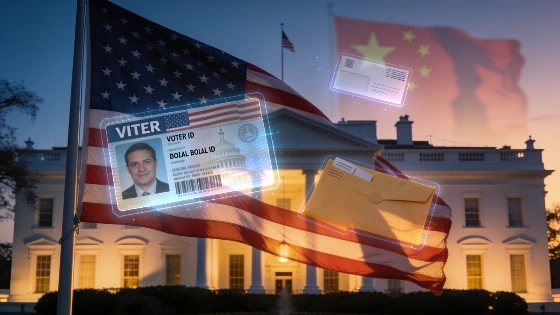
Donald Trump has renewed his campaign for sweeping changes to U.S. election law, calling on Congress to pass the SAVE America Act and citing what he described as unprecedented threats to election security. Speaking from the White House, Trump insisted the 2020 presidential election was stolen from him, a claim repeatedly rejected by official audits and election experts. The address was accompanied by the release of newly declassified documents, which Trump said revealed Chinese access to U.S. voter data and attempts to influence the election process.
Trump's speech placed particular emphasis on alleged foreign involvement, asserting that China had compromised 220 million U.S. voter files. He described the situation as an "election security nightmare," though experts clarified that voter files are generally public records and that there is no evidence China or any other foreign power altered votes or registrations. U.S. intelligence agencies have consistently stated that no foreign government interfered with ballots or vote-counting in 2020, including China.
The SAVE America Act, which Trump is urging Congress to adopt without delay, would require proof of citizenship and photo identification to register and vote, and would sharply restrict the use of mail-in ballots. The bill has already passed the House of Representatives but faces significant opposition in the Senate, where it lacks a majority. Critics warn that the proposed changes could disenfranchise millions of eligible voters, particularly those who may have difficulty obtaining the required documents.
During his address, Trump repeated claims that mail-in ballots are "corrupt" and alleged widespread fraud involving noncitizens and deceased individuals on voter rolls. However, multiple studies and official reviews have found that voter fraud in the United States is extremely rare. Election officials and independent audits have confirmed the integrity of the 2020 election, and fact checks included in the coverage by CBS News directly refute Trump's assertions.
Newly declassified intelligence assessments released alongside the speech indicate that while China sought to collect voter information, there was no interference with vote counting or ballots. Trump stated that his administration is notifying states about compromised data and the presence of noncitizens on voter rolls, but experts maintain that the data in question is largely public and does not pose a direct threat to election outcomes.
The debate over election security and voting rights continues to draw national attention, with the proposed legislation representing one of the most significant potential changes to U.S. voting procedures in recent years. The controversy echoes broader concerns about the balance between preventing fraud and ensuring access to the ballot box. For context, high-profile public figures and their legacies often become focal points in American political discourse, as seen in coverage such as the recent report on Sam Neill's passing and his impact beyond acting.
According to CBS News, the White House's latest move has intensified scrutiny of both the factual basis for Trump's claims and the potential consequences of the SAVE America Act. As the Senate weighs the bill, the outcome could reshape the requirements for voting in federal elections and influence future debates over election integrity and access.
In the United States, election laws are determined at both the federal and state levels, leading to significant variation in voting procedures across the country. The push for stricter identification and citizenship requirements reflects ongoing tensions between efforts to secure elections and concerns about voter suppression. The discussion is likely to remain at the forefront of American politics as lawmakers and the public consider the implications for democratic participation and trust in the electoral process.