CCOO and UGT want Óscar Puente to negotiate minimum transport services for the 11 November general strike. They also warn employers not to use remote work to keep staff on the job during the stoppage.
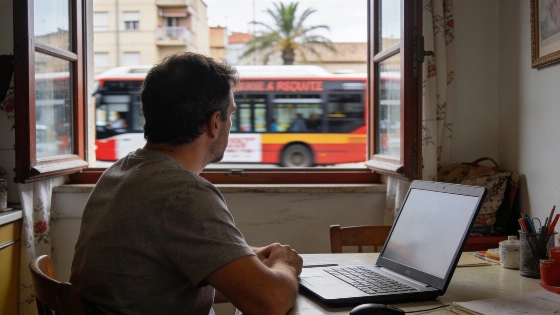
More than 3.4 million people in Spain now work remotely, either occasionally or for more than half the week, according to 2025 EPA data. That figure has raised a new concern for unions ahead of the 11 November general strike over housing.
CCOO and UGT say employers should not use telework to keep staff working during the stoppage. Lucho Palazzo Gallo, secretary general of CCOO’s Federation of Services to Citizens (FSC), said monitoring remote work would be difficult. He said the unions would watch for attempts to use technology to undermine the strike.
The unions have also submitted a proposal for minimum transport services. They want Transport Minister Óscar Puente to negotiate the levels rather than impose them. Ricardo Casas Tinahones, secretary general of UGT’s Federation of Services, Mobility and Consumption (FeSMC), said essential services must continue while the right to strike remains effective.
The demand follows disputes over previous strikes, including the 8 March stoppages. Workers’ organisations challenged what they considered excessive minimum-service levels. Courts later overturned them.
Remote work adds a complication to a general strike. Before the pandemic, it was far less common. Unions now recognise that some employees may be able to work from home to avoid transport disruption or contact with pickets. Palazzo Gallo said the unions would assume employers acted in good faith, while calling on everyone involved to protect workers’ ability to strike.
Most jobs cannot be done remotely. Around seven in ten are unsuitable for it, according to the INE’s Encuesta sobre Equipamiento y Uso de Tecnologías de la Información y Comunicación en los Hogares (TIC-H). Around 30% of workers say their tasks can be carried out at a distance.
A recent UGT report says more than 3.4 million people who could work remotely are not allowed to do so. That figure sits alongside the EPA’s record total of more than 3.4 million people already teleworking, either occasionally or for more than half the week.