The US Department of Transportation has approved less stringent fuel efficiency standards for vehicles, reversing previous targets and raising concerns about higher fuel costs and emissions. The move is expected to impact car buyers and the automotive industry for years.
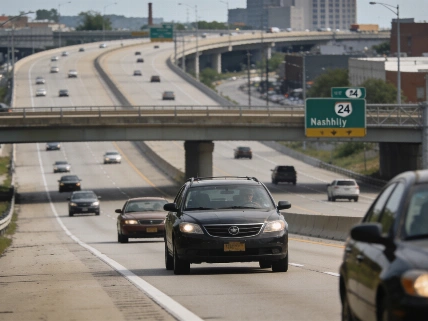
Drivers across the US will soon pay more for gas. The Department of Transportation has locked in new fuel efficiency rules that are much weaker than those set before. This decision, made public on Monday, marks a sharp turn from the Biden administration’s push for better energy use.
The new rules drop the bar. By 2031, carmakers must hit an average of 14.7 kilometers per liter. The old plan called for 21.4 kilometers per liter. That’s a big cut. The difference will show up at the pump. Reuters reports the new target is about 34.9 miles per gallon by 2031. The Biden-era goal was 50.4 mpg. That’s a wide gap.
The new standards officially end the practice of credit trading between automakers starting in 2028, a move that will particularly affect electric vehicle manufacturers who previously sold credits to competitors.
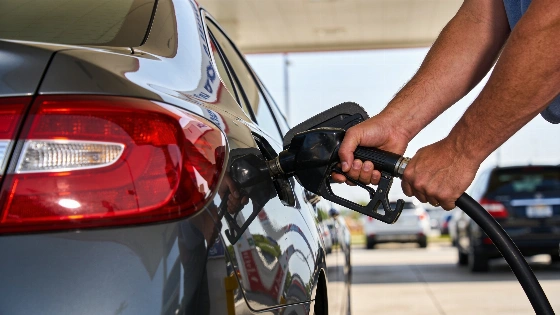
The department says carmakers will save $1,289 on each new vehicle. But drivers will spend more. Over a car’s lifetime, owners will pay over $1,600 extra for fuel. The National Highway Traffic Safety Administration (NHTSA) backs this up. Their analysis shows US gasoline use will rise by 4.6% through 2050 compared to the old standards. That means higher costs for drivers and more fuel burned.
For automakers, the new rules bring mixed news. The end of credit trading in 2028 will hit electric vehicle makers like Tesla and Rivian. They’ve made money selling credits to rivals who couldn’t meet the old targets. Industry reports say this change will cut a key source of income for EV companies.
Big names like General Motors, Toyota, Volkswagen, Hyundai, and Ford support the move. They speak through the Alliance for Automotive Innovation. The group says the government made the right call. The new rules fit better with current laws and what buyers want. WOKV/AP quoted Alliance CEO John Bozzella, who said the standards now match legal rules and real demand.
The regulatory shift is part of a broader rollback of climate and electric vehicle policies from the previous administration, with automakers having previously complained that earlier standards did not reflect real market demand. Following the announcement, shares of traditional automakers rose, indicating that investors view the decision as a relief for the industry.
The timing matters. Gas prices have jumped since the US and Israel clashed with Iran in late February. For many families, weaker efficiency rules mean even higher bills.
Reuters notes this move by the Trump administration breaks sharply from the old focus on cutting emissions and saving energy. The auto industry now faces a new reality. Carmakers may save money up front, but drivers and the environment could pay more in the long run. The fight between industry relief and the real costs for people and the planet is far from over.