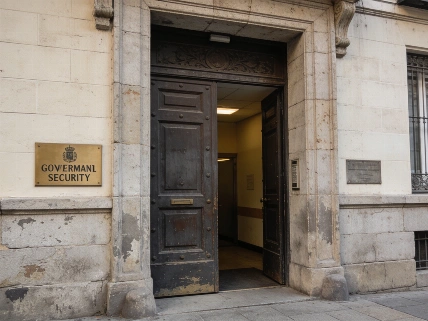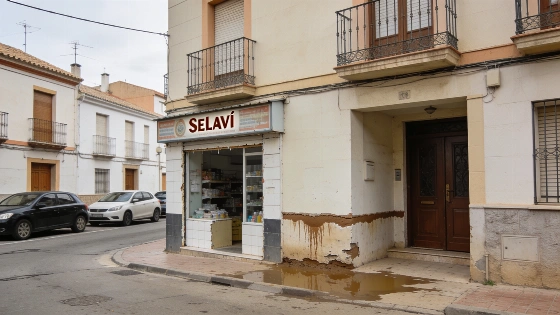
Cars rammed against one building’s entrance after the flood, trapping residents inside for four days without water or electricity. Two years later, relatives of local resident Lorena still have not returned to their ground-floor home, destroyed by the inundation. The 29 October 2024 DANA brought more than 700 millimetres of rain in 12 hours in some areas, information from a European Union document, and caused catastrophic flash flooding across the Valencian region.
The avenue Gómez Ferrer divides Sedaví and Alfafar. Known as the “street of cars” after vehicles piled up at its junction with Francisco Villa “El Morenet”, it became one of the most widely shared images of the disaster. The flood reached the area despite the barranco being more than two kilometres away, in Paiporta. The disaster killed 233 people in Valencia, while more than 2,600 suffered injuries. Cadena SER’s account two years later said 337 municipalities were affected, with approximately 16,000 homes damaged.
Some businesses have reopened, though recovery has been uneven. Roberta’s fashion shop resumed trading four months after the flood, after its walls were rebuilt. When heavy rain or another alert keeps customers away, sales fall sharply. She says many people remain deeply affected, and conversations with friends frequently turn to the disaster. Across the affected area, material losses have been estimated at more than €17.8 billion.
At bar Nicolás, the water rose to 1.90 metres. Christian’s mother and a customer clung to the beer tap as the flood surged through the premises. His father escaped onto a car that had crashed through the entrance, then reached a balcony and helped the others out. The family reopened the bar three months later after a rapid clean-up and renovation funded largely from savings. The insurer paid about a quarter of their losses. By 27 October 2026, the Spanish government said €10.028 billion had been paid for recovery, including €4.661 billion from the Consorcio de Compensación de Seguros, which had resolved more than 98% of related to the topic compensation files.
Across the street, Toni opened a shoe shop in a former kiosk after his old Sedaví premises were destroyed by 2.2 metres of water. He found the new site in poor condition but repaired it quickly. He says customers are spending cautiously, while his children are looking for housing outside flood-prone areas. For people with a lifetime of ties to the neighbourhood, leaving is difficult, especially with house prices so high. Government figures said €1.745 billion had been transferred to 78 municipalities for reconstruction, with more than 1,100 projects worth €1.4 billion under way.
The damage has also kept some families out of their homes. Lorena’s mother-in-law and brothers-in-law moved in with her and her partner for three months, then relocated to another temporary flat. Labour shortages in the first months after the disaster and difficulties obtaining a loan prolonged their displacement. In October 2026, the Generalitat Valenciana announced an €8 million programme to repair flood-damaged façades and lifts, with grants covering up to 100% of eligible costs and lift assistance ranging from €300 to €50,000. RUSSPAIN has also covered pressure on residents in Ceuta’s migration crisis; on Gómez Ferrer the strain comes from damaged homes and the slow return to permanent housing.