A massive storm dumped nearly 600 litres per square metre over the Mediterranean, barely missing Valencia and Castellón. Emergency crews braced for disaster as rainfall smashed alert records and showed how exposed the region is to extreme weather.
At 2 a.m., emergency teams watched radar screens as a supercell storm spun just off the Valencian coast. It threw down more than 50,000 lightning strikes. Nearly 600 litres of rain per square metre fell in one hour over the sea. The storm hovered close. For hours, towns waited to see if it would move inland. If it had, the damage would have been historic. Valencia came close to disaster.
The Mediterranean took the hit. Juan Carlos Valderrama, the region’s emergency chief, said the threat was so serious that officials debated whether Spain’s red alert system is enough. Some even raised the idea of a new “black” alert for events like this. The numbers were hard to believe. Radar showed 160 litres per square metre in just ten minutes at the storm’s peak. Marine radar has limits, but the scale was clear.
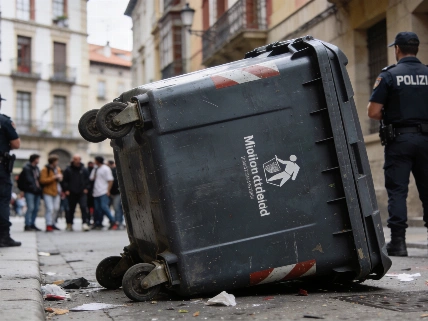
During the episode, Protección Civil sent out ES-Alert emergency notifications urging residents to avoid travel and stay away from riverbeds and ravines due to the extraordinary risk.
Valencia and Castellón spent the night on red alert. Emergency teams waited. Flood plans were active across the Turia and Júcar river basins. Hydrological pre-emergencies were declared as rain totals shot past danger levels. The storm’s intensity would have tripled the red alert limit for 12-hour rainfall. It would have multiplied by six the maximum risk for water in a single hour, according to the Agencia Estatal de Meteorología (Aemet). Official Aemet data showed red alerts for Valencia, the coast, and the interior of Castellón. Rainfall was expected to reach up to 90 litres per square metre per hour and up to 250 litres per square metre in 12 hours for Castellón. The Valencian coast faced up to 180 litres per square metre in 12 hours.
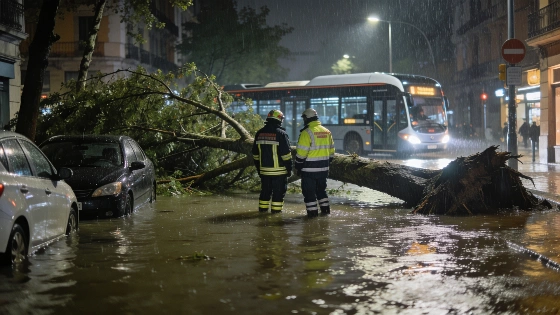
On land, the rain was heavy but not catastrophic. Gauges recorded 145.8 litres per square metre in Alcalà de Xivert, 127.8 in Polinyà de Xúquer, and 121 in Torreblanca. The Associació Valenciana de Meteorologia (Avamet) network logged similar numbers in Cervera del Maestre, Cabanes Ribera, and Peñíscola. These totals were lower than offshore, but still triggered river flood warnings. Local authorities watched vulnerable spots all night. Reports from Spanish Civil Protection confirmed that even these lower land totals were enough to activate emergency protocols.
By 4:20 a.m., the Special Flood Plan was in force for Valencia and Castellón. The SAIH hydrological system picked up a surge in the Ebrón river at Castielfabib. Flows peaked at 10 cubic metres per second, then dropped. Emergency rules called for extra vigilance, especially in areas still recovering from the October 29, 2024 floods. Many drainage systems are still under repair.
Red alert warnings were simultaneously issued for Tarragona and Castellón, highlighting the scale of the episode across Spain’s eastern coast. After the peak, some restrictions were lifted, but orange warnings remained in effect as a precaution.
Valderrama thanked emergency crews and meteorologists for their fast response. Some areas saw torrential rain. But the worst—a direct hit on the coast—never came. If the storm had landed, towns with weak infrastructure would have suffered most. The so-called “ground zero” zones are still dealing with the last disaster.
Spain’s risk from sudden, extreme weather is nothing new. As reported earlier, Catalonia and other regions have faced record rain and urgent flood alerts in recent months. The pattern is clear. Meteorological risks are rising across the country.
This storm stands out for one reason. Catastrophe was only a few kilometres away. The data shows a hard truth. Alert systems and infrastructure are being pushed to their limits by events that used to be rare. Officials are now openly talking about a new “black” alert level. Spain may need it soon. For now, Valencia was lucky. The warning is clear.