Seat, a fixture of Spain’s car industry for 76 years, is set to disappear as a brand by 2029. Volkswagen’s internal plans point to a shift toward Cupra, with job cuts and a new direction for the Martorell plant.
Seat’s time as a car brand is coming to an end. Internal Volkswagen Group documents, reviewed ahead of this Friday’s supervisory board meeting, show the company intends to phase out Seat by 2029 and shift its resources to Cupra. This would close the chapter on a brand that has been part of Spain’s auto industry for nearly eight decades.
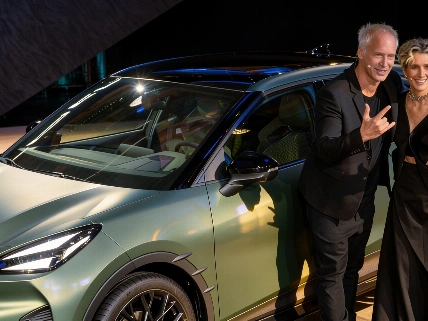
This isn’t just a rebranding exercise. Volkswagen is under pressure from the rapid growth of electric vehicles—many made in China—and a global cost crunch that has forced the group to rethink its strategy. According to Wirtschaftswoche and elespanol motor, the plan is to focus investment on Cupra, which brings in higher profits per car and has quickly become Volkswagen’s main Spanish brand.
По данным немецкого издания WirtschaftsWoche, план по выводу Seat с рынка к концу 2029 года пока находится на рассмотрении наблюдательного совета Volkswagen и не получил окончательного одобрения.
Seat representatives say “no final decision has been made,” but admit the global situation has changed sharply, with the past year especially tough for the car sector. The direction has been clear since at least 2023, when then-CEO Thomas Schäfer said, “the future of Seat is Cupra.” Since then, new Seat models have slowed to a trickle, the Ibiza’s update has been put on hold, and other projects have quietly disappeared.
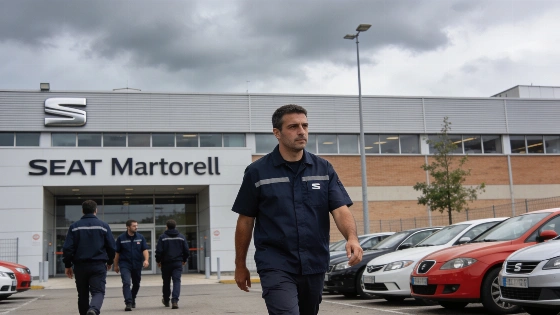
Martorell, Seat’s longtime production site, is set for a major change. Cupra will become the main brand there, and the plant may also build cars for other Volkswagen Group brands. This is part of a wider restructuring that could cut up to 50,000 jobs worldwide, as CEO Oliver Blume pushes for deep cost reductions to stay competitive with Asian manufacturers. Seat employs over 15,000 people, so its future is a national economic issue.
The effects go beyond Spain. Volkswagen’s restructuring also puts several German plants under review, with the risk of mass layoffs across the group. As reported earlier, union leaders have warned about the possible loss of up to 115,000 jobs and the closure of four major German factories by 2031.
Испанские деловые издания отмечают, что Seat уже не входит в стратегические цели Volkswagen на 2030 год, а завод в Мартореле может быть переориентирован на выпуск моделей других брендов группы. Официальный представитель Volkswagen заявил, что компания не комментирует внутренние документы и процесс еще проходит корпоративные процедуры.
Seat’s slow exit has been visible for years. The brand’s lineup has shrunk, and its presence in dealerships has faded as Cupra expands. Volkswagen’s approach is straightforward: focus on what sells and brings in profits, even if it means letting go of a brand that once stood for Spanish industrial ambition.
For Spain, losing Seat as a car brand is more than a business move—it’s a cultural and economic loss. The Martorell plant’s future as a Cupra base may save some jobs, but the symbolic impact is clear. Volkswagen’s decision is a business calculation: heritage and national pride take a back seat when global competition and profits are at stake. Dropping Seat from its lineup shows that legacy brands are no longer untouchable, and only the most profitable survive.