Volkswagen’s works council has raised alarms over the possible elimination of up to 115,000 jobs by 2031, with four major German factories at risk of closure. The company’s leadership and unions are now under pressure to find solutions that could safeguard thousands of positions.
Volkswagen’s future in Germany is under intense scrutiny after union leaders warned that up to 115,000 jobs could disappear by 2031, with four of the company’s key German plants facing possible shutdown. Daniela Cavallo, president of the Volkswagen Group works council, delivered the stark assessment following a high-stakes meeting between management and employees at the Wolfsburg headquarters.
The warning comes on the heels of a major agreement reached at the end of 2024, which set out the departure of up to 50,000 workers in Germany by 2030. Now, CEO Oliver Blume has confirmed that a further 50,000 jobs will be cut worldwide by the end of the decade, with half of those losses expected to hit the company’s home market. In total, Volkswagen is preparing to reduce its workforce by 75,000 by 2030, with the prospect of even deeper cuts looming if current plans proceed.
The board cannot guarantee competitive employment at these sites beyond 2031.
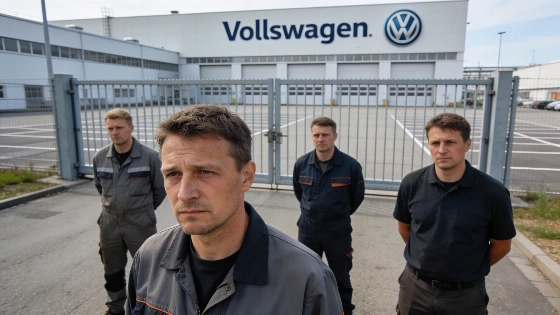
Central to the union’s concerns is the fate of four German factories—Hannover, Zwickau, Emden, and Neckarsulm—which could be shuttered if no viable alternatives are found. According to Cavallo, the closure of these sites at the start of the next decade would mean an additional 40,000 jobs lost, compounding the impact on workers and their families. The works council has criticized management for failing to provide “concrete options” to secure the future of these locations, warning that the board cannot guarantee “competitive” employment at these sites beyond 2031.
The scale of the potential cuts is significant: union IG Metall estimates that one in six direct jobs in the German automotive sector could be affected, not counting the knock-on effects for suppliers and service providers. The uncertainty has heightened tensions between management and labor representatives, with both sides acknowledging the urgent need for a credible plan to protect jobs and maintain industrial capacity.
CEO Oliver Blume has stated that Volkswagen intends to work with the affected plants over the next six to twelve months to develop concrete proposals that could offer a sustainable future for each site. However, Cavallo has cautioned that any “future program” must go beyond headline job cuts and address specific projects, priorities, and strategies that can secure the company’s long-term success.
As reported by elespanol motor, the situation at Volkswagen reflects broader challenges facing the European automotive industry, including the shift to electric vehicles, rising costs, and global competition. The outcome of these negotiations will not only shape the future of Volkswagen’s workforce but could also set a precedent for other manufacturers navigating a rapidly changing market.
For context, Germany’s automotive sector remains a cornerstone of the national economy, employing hundreds of thousands and supporting a vast network of suppliers. Any large-scale restructuring at Volkswagen is likely to have ripple effects across the industry and beyond, making the coming months critical for workers, communities, and policymakers alike.