The Valencian Town Where Grimaldo Grew Up Has Become a Magnet for Families and Athletes. La Pobla de Vallbona in the province of Valencia is rapidly growing and transforming. The footballer Grimaldo was born here, and the town has become an example of combining tradition, sports, and modern infrastructure.
La Pobla de Vallbona, located just 20 kilometers from Valencia, has transformed over recent years from a quiet agricultural settlement into one of the region's fastest-growing suburbs. This is where footballer Alejandro Grimaldo began his journey, now playing a pivotal role in European football. The city stands out from typical residential districts: it preserves the atmosphere of a traditional Valencian community, and population growth is accompanied by the development of infrastructure and sports facilities.
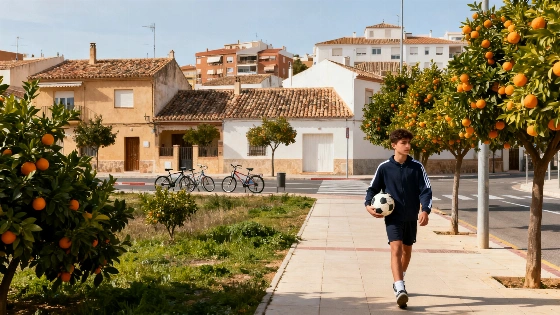
In the past two decades, the population of La Pobla de Vallbona has approached 30,000. The reason is a major influx of families seeking spacious housing, convenient transport connections, and a calmer environment compared to Valencia. The town is linked to the metropolis by the CV-35 highway and Metrovalencia Line 1, allowing residents to quickly reach the city center. At the same time, La Pobla de Vallbona has maintained its local character: people still greet each other on the streets, and historic facades stand alongside modern architecture.
Sport holds a special place in the city's life. Local authorities have invested in building modern football fields, indoor arenas, and padel courts. It was on these facilities that Alejandro Grimaldo developed his character and physical endurance, enabling him to reach the international stage. Other sports are also actively developing in the city, while the surrounding agricultural areas are becoming popular routes for walking and cycling.
La Pobla de Vallbona is also known for its cultural heritage. The central church of Santiago Apóstol serves not only as a religious but also as a community center, hosting major festivals and gatherings for residents. During traditional fiestas, the town comes alive, and local restaurants offer dishes made from fresh vegetables and rice grown in the surrounding area. This supports small businesses and distinguishes the town from the large shopping centers of Valencia.
The combination of nature, developed infrastructure, and safety makes La Pobla de Vallbona attractive to young families. Children can walk freely on the streets here, and the beach is just a 15–20 minute drive away. This balance between town and countryside is becoming increasingly sought after as housing prices rise in Valencia. According to russpain.com, similar trends are being observed in other regions, where residents are seeking alternatives to big cities — you can learn more about this in the article on new control measures at exams in Valencia and Andalusia: how the regions are strengthening oversight and changing their approach to education.
For reference: La Pobla de Vallbona is part of the Camp de Túria comarca, traditionally known for its strong agricultural sector and family values. In recent years, the municipality has been actively expanding residential areas and public spaces while striving to preserve its historical identity. The region has seen steady demand for real estate, and local schools and sports clubs are popular with new residents. The town continues to develop, remaining an example of how small municipalities can balance growth with the preservation of their unique character.