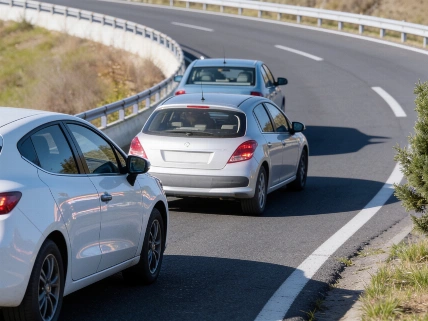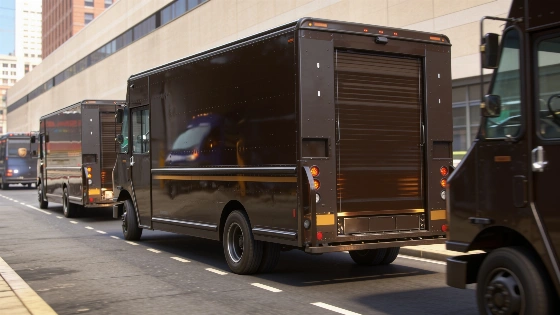
A left turn can leave a delivery van waiting for a gap in oncoming traffic. UPS says its route-planning algorithms steer drivers away from the manoeuvre, even when it might appear to offer a shorter route. The company’s ORION system, On-Road Integrated Improvement and Navigation, plans delivery sequences across its fleet, accounting for operational constraints rather than simply selecting the shortest distance.
The company says avoiding those stops saves up to 38 million litres of fuel a year. Its approach gives priority to routes that reduce waiting and fuel consumption rather than simply choosing the shortest distance. A University of California, Irvine Institute of Transportation Studies thesis examining left-turn elimination notes that left-turn movements can face the longest average delay at an intersection. It models how rerouting to avoid selected left turns can affect overall network travel time.
ORION’s broader systemwide estimates are distinct from savings attributed to left turns alone. A peer-reviewed INFORMS case study described the route-planning system as constraint-based and reported projected full-deployment reductions of 100 million miles driven annually, with estimated yearly savings of $300 million to $400 million in driver costs and fuel.
UPS also points to collision risk: a driver turning across oncoming traffic may misjudge the gap. A crash can leave the van needing repairs or scrapping. The driver may also face medical costs, while affected parcels can bring recovery costs.
Transport figures depend on what is being measured: a rail safety calculation used deaths per passenger-kilometre, while UPS's claim concerns fuel saved through route planning.