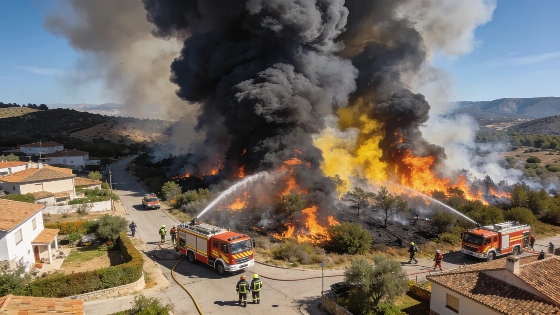
A major wildfire broke out on Friday afternoon, 14 August 2026, in the Collserola Natural Park on the outskirts of Barcelona. A thick column of smoke rose over the city and much of the metropolitan area. The fire started near the Carretera de les Aigües around 15:30 and quickly spread across the Sant Pere Màrtir hillside, prompting a rapid deployment of emergency services.
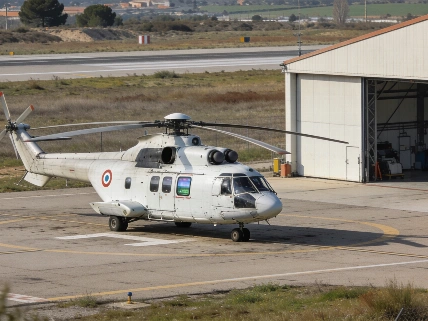
Twenty firefighting units were mobilized to contain the blaze: ten crews from the Barcelona Fire Department and another ten from the Generalitat, which also sent a helicopter to support ground operations. The affected area lies close to the Catalan capital and nearby municipalities, including Esplugues, raising concerns about its proximity to residential zones and public spaces.
As a precaution, Esplugues City Council ordered the evacuation of the Espai Mireia restaurant and urged residents to avoid the area so emergency crews could work. As the situation escalated, Barcelona City Council activated its municipal wildfire action plan after the Generalitat raised the Alfa Plan to level 3 in the Barcelonès region, reflecting the very high risk posed by the ongoing heatwave.
Emergency services reported receiving nearly a thousand calls from citizens within an hour as the fire and its smoke plume became widely visible. Later that day, at 19:01, La Opinión de Zamora reported that Barcelona’s Guardia Urbana had detained a suspect in connection with the fire. The detention was an investigative development, not a finding of criminal responsibility or a final determination of the fire’s cause.
The rapid public response reflected heightened anxiety during periods of extreme heat, when wildfire risk rises sharply. Similar concerns have arisen elsewhere in Spain, including when emergency teams evacuated historic sites in Huesca due to advancing flames.
Collserola Park is a critical green space for Barcelona and surrounding towns, covering over 8,000 hectares and serving as a buffer against urban sprawl. Wildfires in the area threaten natural habitats and nearby communities, putting infrastructure at risk. Later in 2026, wildfire-related access restrictions covered a high-risk perimeter spanning 19 municipalities across the Barcelonès, Baix Llobregat and Vallès regions. The affected municipalities included Sant Cugat, Cerdanyola, Rubí, Terrassa and Esplugues. Authorities planned a phased reopening, reflecting the regional scale of access management amid elevated fire danger.
Barcelona’s deputy mayor for security, Albert Batlle, later identified the Carretera de les Aigües as a priority route in discussions about easing restrictions on access to Collserola. The debate concerned reopening the wider natural area; it did not mean all restrictions had been lifted. Across Catalonia, firefighters responded to 450 fires during the June-to-September 2026 fire season, while nearly 5,000 hectares burned, information from a season-end report by L’Indépendant. Those regional figures place the Collserola blaze within a broader period of sustained wildfire pressure.
The heatwave affecting Catalonia prompted authorities to activate maximum fire-risk protocols. They warned that even small incidents can escalate rapidly under such conditions. In recent years, Spain has faced increasingly severe wildfire seasons, often linked to prolonged high temperatures and drought. The Collserola fire showed the continuing challenge emergency services and local governments face in protecting communities and natural areas during extreme weather.