Ansorena’s first assessment put the collection at €1,323,915, based on current replacement costs. The second appraisal, submitted to Spain’s National Court, values the jewellery attributed to José Luis Rodríguez Zapatero at €1,023,320, a difference of €300,595. These are appraisals, not reported sale prices.
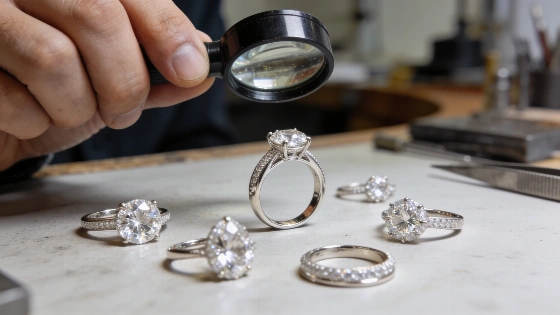
The report describes the 12 high-value pieces as white-gold jewellery set with diamonds and other precious stones. Each of the three sets is associated with a different stone: rubies, emeralds or sapphires. The appraisal says the materials and construction are consistent with commercial manufacturing in Asia. It also cites the pieces’ markings, but does not establish a definitive country of origin.
The appraisal names China as one possible country of origin, and also lists India and Thailand. In an interview with Antena 3 Noticias, former Yanes director Jesús Yanes said there were four or five possible origins and that he would favour Thailand. He added that the pieces did not resemble jewellery a Saudi king would usually give. Royal purchases and gifts, he said, are subject to exceptionally high standards.
Zapatero’s defence says Saudi King Abdullah bin Abdulaziz Al Saud gave him the jewellery personally at La Moncloa during the monarch’s official visit to Spain on 18-19 June 2007. Each of the three sets contains four pieces: a necklace and bracelet, along with a ring and earrings. The defence has described the gift as a personal gesture made out of deference, gratitude and respect, and says Zapatero kept the jewellery for years without appreciating its material value.
The Yanes report says the most valuable lots were probably made after 2007, the year Zapatero says he received them. Their materials and construction, it says, reflect commercial standards that became established after the alleged gift date. The report also describes manufacture in the Middle East before June 2007 as highly improbable. It does not assign an exact manufacturing year.
The report found a capital T on each of the 12 most valuable pieces. The mark could be the initial of the goldsmith or maker, but identifying that person would require a more exhaustive examination.
Spanish National Police investigators reportedly found the three sets, comprising 12 pieces, in a safe while searching Zapatero’s office on 19 May 2026 as part of the broader Plus Ultra case. The jewellery inquiry is examining its provenance and how it came into his possession. Investigators are also looking into possible tax offences and smuggling. The Anti-Corruption Prosecutor’s Office has asked them to consider possible embezzlement, arguing that if Zapatero received the jewellery in his capacity as head of government, he should have surrendered it to the state.
On 27 October 2026, National Court investigating judge José Luis Calama rejected Zapatero’s request for judicial assistance from Saudi Arabia to establish whether King Abdullah had given him the jewellery. The judge said the account lacked an objective element of external corroboration and declined the request at that stage. The ruling did not determine ownership or provenance. The investigation is to establish how the jewellery was obtained and whether anyone bears criminal responsibility.