A wave of youth-led protests is sweeping Europe under the banner of the 'cucarachas', driven by frustration over unaffordable housing, precarious jobs, and a failing education system. Political leaders are being forced to respond as the movement spreads from Asia to the heart of the EU.
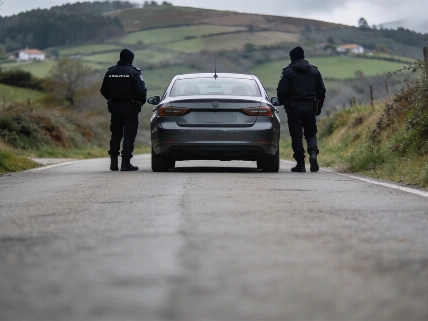
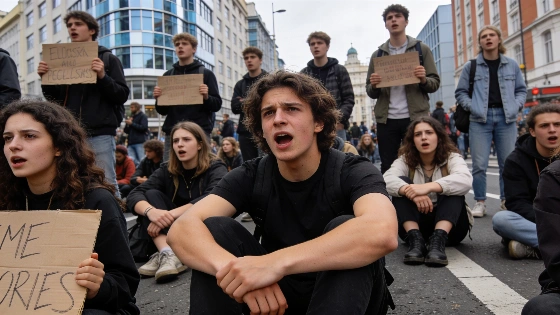
Police have detained more than five thousand young people across Europe. Most are minors. City streets now ring with chants for change. This is not a passing protest. The 'cucarachas' movement, once a slur in India, has become a rallying cry for a generation that feels locked out of the future. Governments can’t look away anymore.
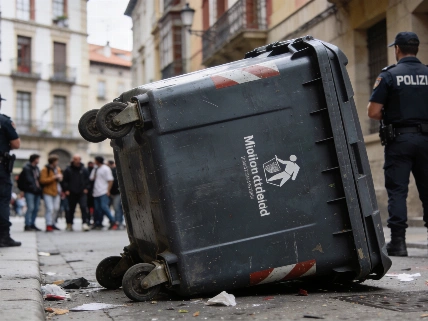
It started with outrage in India. Leaked university entrance exams set off protests. Now, the anger has spread across continents. In France, high school students have filled the streets. They protest crumbling schools and what they call unfair university admissions. Mass arrests and violence show just how deep the anger runs. In Spain, the housing crisis dominates politics. Both left and right scramble for answers as elections approach. Reuters and Euronews report that when the Spanish parliament rejected two major housing decrees in early October 2026, protests erupted nationwide. Calls for snap elections grew louder.
Euronews reports that hundreds of thousands of people took to the streets of Madrid in early October 2026, with demonstrations spreading to dozens of cities across Spain after the government failed to pass new tenant protections.
Political careers are shifting fast. Rob Jetten, age 38, took the Dutch premiership after a blunt statement: "Todos los cerdos de este país tienen un techo sobre sus cabezas, pero un estudiante o una persona joven ni siquiera puede encontrar un armario escobero asequible." That line hit home. He surged past the far-right favorite and became the youngest Dutch leader ever. In Berlin, Elif Eralp of Die Linke won the mayor’s office. She made housing her main issue as rents jumped nearly 70% in ten years. Even in the United States, Donald Trump has had to talk about the crisis. He blamed his predecessor for the collapse of the American dream of homeownership for young people.
The word 'cucarachas' started as an insult. An Indian magistrate used it to mock unemployed youth activists. Now, it’s a badge of honor. The movement’s roots in India run deep. Protests for education reform forced the education minister to resign and dealt a blow to Prime Minister Narendra Modi. The unrest spread fast. Generation Z in Indonesia and Nepal, students in Peru, and now young people in Greece, Serbia, Spain, and France have all marched. Each group has its own reasons. But they share one thing: a sense of betrayal.
This isn’t about left or right. Liberals, conservatives, and everyone in between are being forced to respond. The protests are not just about schools or rent. The young want a future they can believe in. The movement keeps growing. In India, it has even spawned the Partido Popular Cucaracha. The fight is moving from the streets into politics.
According to AP and Le Monde, the recent wave of French student protests has affected around 1,000 schools nationwide—about one in four—prompting the Prime Minister to call a crisis meeting and resulting in hundreds of arrests. The main grievances include overloaded schedules, a shortage of teachers, and barriers to university admission, highlighting that youth discontent in Europe is driven by both educational and housing issues.
Spain shows how urgent things have become. Housing is now the top issue. Elections are coming. Leaders face real pressure to act. If they fail, a restless generation may sweep them aside. The mood is tense. It matches the kind of emergency measures seen in recent political crises across Europe.
One lesson stands out. The anger of the 'cucarachas' is not a passing storm. It comes from years of neglect. Political fallout is already here. Leaders who ignore the young risk losing power. The streets are now the testing ground for Europe’s future. The youth are done waiting.