José Luis Rodríguez Zapatero is challenging Judge José Luis Calama’s decision to order a second appraisal of jewellery found in his office safe. His defence says the court has not explained why another examination is needed, given its overlap with the first report, and disputes the impartiality of the expert selected through Joyería Yanes.
His lawyers have asked the court to cancel the order and remove the appointed professional. Lawyer Víctor Moreno filed the appeal, arguing that the ruling does not explain the practical purpose of repeating an examination already completed.
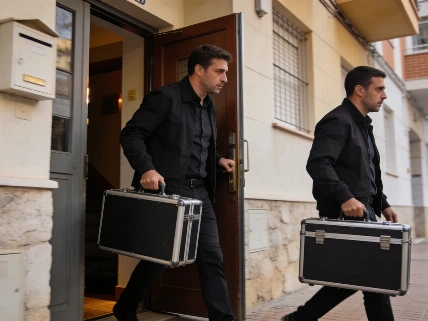
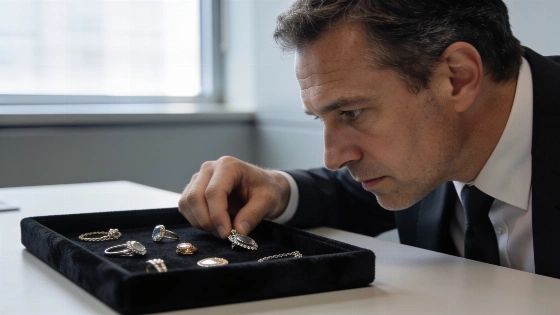
The second appraisal is expected to assess more than the jewellery’s price. It is to examine the composition and purity of the metals and stones, document marks and engravings, estimate the pieces’ age and geographical origin, and determine each item’s individual value.
The first valuation came from the jewellery house Ansorena, which examined each piece and put the total at more than 1.3 million euros. The assessment was recorded at 1,323,915 euros and carried out with the participation of the Instituto Gemológico Español. Reports have described the figure as a replacement market value for insurance purposes, not necessarily the sale price at the time of the alleged gift. Zapatero rejects the conclusions.
His lawyers also cite comments by Joyería Yanes’ general director on La Sexta, where he said the collection could be worth around two million euros. The defence argues that the statement raises doubts about the court-appointed expert’s impartiality and objectivity. It has so sought his recusal. Spanish media reports, including El Español and El Confidencial, have described the request as an attempt to keep Yanes out of the second assessment.
If Calama allows the new appraisal to proceed, Zapatero’s lawyers intend to propose their own expert. That specialist would attend the examination and help prepare the report alongside the court-appointed professional, turning the valuation into a direct technical contest with both sides involved.
The deadline for submitting the original information had already expired. The court then moved toward a second appraisal and opened a new period to collect details about the items.
The dispute also concerns the jewellery’s provenance. In a written submission, Zapatero told Calama that the pieces were a personal gift from the late King of Saudi Arabia Abdullah Bin Abdulaziz Al-Saud. Information from Zapatero’s account, the former Saudi monarch gave him the jewellery at the family residence while Zapatero was living at Palacio de la Moncloa during an official visit to Madrid in 2007. Infobae, Telemadrid and El Español have attributed this account to his written submission to Judge Calama.
The defence has supplied documents about the jewellery’s origin while disputing the need for a second report and the neutrality of the person chosen to prepare it. The court must weigh both objections. The defence argues that the alleged Saudi gift explains the items’ provenance.
The new examination forms part of the wider investigation linked to the Plus Ultra case. Reports say Calama is examining possible tax and customs issues connected with the jewellery found in the office safe. A separate line of inquiry began after investigators considered the items’ origin insufficiently explained.
The case concerns the evidential value of luxury items found in a former leader’s office and the safeguards applied when a court orders a fresh assessment. Zapatero is challenging the basis for the new valuation, including the reasons for ordering it and the expert’s impartiality.
The court must now decide whether Calama’s order gives sufficient reasons for another examination and whether the proposed expert can remain involved after the recusal request.
Earlier political coverage shows why legal scrutiny of senior Spanish figures draws attention beyond the immediate file. Here, the issue is whether the appraisal process can address the jewellery’s value while taking its owner’s objections into account.