Modern cars are made up of many components, each serving a specific purpose. One of the most important parts of the engine cooling system is the radiator. Its main function is to dissipate excess heat generated during engine operation to prevent overheating and potentially serious damage.
The radiator works by circulating coolant. When the engine is started, its internal temperature begins to rise. The coolant absorbs this heat and flows into the radiator, where it rapidly cools down thanks to the airflow. The coolant then returns to the engine, and the cycle repeats. Key components of the radiator include the core where coolant passes through, side or upper and lower tanks for fluid entry and exit, as well as a fan that aids cooling when the vehicle is moving slowly or stopped.
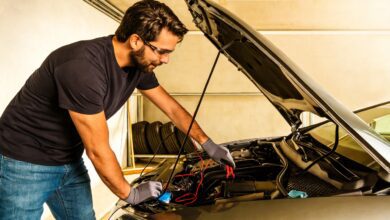
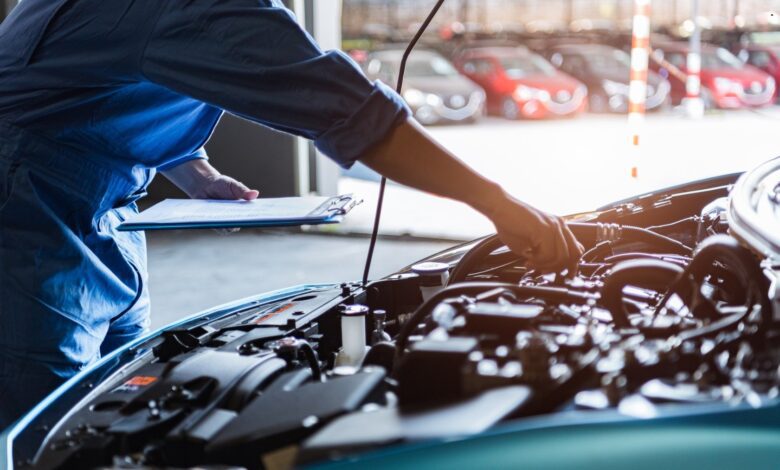
To keep the radiator functioning properly, regular cleaning is necessary. Before starting, allow the engine to cool completely. Then open the hood, carefully remove the radiator cap, and drain the old coolant. Next, flush the radiator with distilled water and run the engine for 10–15 minutes to circulate the liquid. Afterward, refill the system with fresh antifreeze, start the engine briefly again to release trapped air, and check the fluid level.
Replacing a radiator also requires following a specific sequence of steps. First, it is important to ensure that the engine has cooled down. Next, disconnect the battery, drain the coolant, and detach all hoses and fan wires. The old radiator is removed, a new one is installed in its place, and all connections are restored. The system is refilled with antifreeze, air is removed, and the connections are checked for leaks. After completing the work, it is recommended to take a test drive to monitor the cooling system’s performance.
The most common radiator issues include fluid leaks, internal clogs, corrosion, cap damage, fan failures, hose problems, thermostat sticking, and poor fitting of connections. If the radiator loses water, the engine quickly overheats, which can lead to a blown head gasket or damage to other critical components.
The cost of a new radiator for passenger cars in Spain usually ranges from 50 to 200 euros, while for premium models it can be between 300 and 500 euros. These expenses are increased by labor costs, which in large cities such as Madrid or Barcelona can reach up to 700 euros. The final amount depends on the complexity and time required for the replacement.