The results of the recent elections in Extremadura revealed that traditional campaigning methods are losing their impact. For Spaniards, this is a worrying sign—conventional campaigns no longer have the power to fundamentally sway voter sentiment. Decisions are made in advance, and politicians’ attempts to change voters’ minds are proving almost futile.
According to recent data, six out of ten residents of the region already knew who they would vote for long before the official campaign began. This confirms that political loyalty and established views play a crucial role. Only a quarter of respondents admitted they made their choice during the final two weeks before voting.
Information preferences
Television remains the main source for election news. More than 60% of Extremadura residents rely on TV to follow the campaign and candidates’ statements. Social networks and digital media come second and third, but their influence is noticeably lower.
Interestingly, almost 60% of respondents followed the electoral race with some interest, yet most admitted the campaign brought them nothing new. It did not help them distinguish between parties or clarify the platforms. For 87% of those surveyed, the campaigning was not a reason to change their choice.
Reasons for non-participation
Voter turnout reached a record low for the region—just 62%. This is attributed to the fact that, for the first time, the elections were held separately from local and other regional votes. Nearly a third of residents hesitated until the last moment about whether to go to the polls.
Among those who chose not to vote, the vast majority have no regrets. The main reason is a lack of trust in parties and candidates. People feel unrepresented and do not believe change is possible. The second most significant factor is disappointment with the politicians themselves.
Campaign issues
Although unemployment is traditionally considered the region’s main problem, this time candidates barely discussed it. Debates focused primarily on corruption and housing. Unemployment only ranked fourteenth among the topics raised during the campaign.
This gap between public expectations and political priorities leaves many residents puzzled. At the same time, pre-election polls showed that lack of jobs, poor roads, and the state of healthcare were the top concerns for the population.
Party results
The new regional parliament saw a significant shift in the balance of power. Partido Popular (PP) secured 29 seats, increasing its presence. The Socialists (PSOE) lost ten mandates and now hold 18 seats. Vox significantly strengthened its position, growing its representation from six to eleven. The left-wing coalition Unidas por Extremadura also doubled its presence.
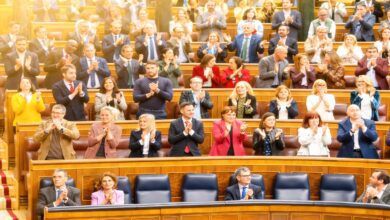
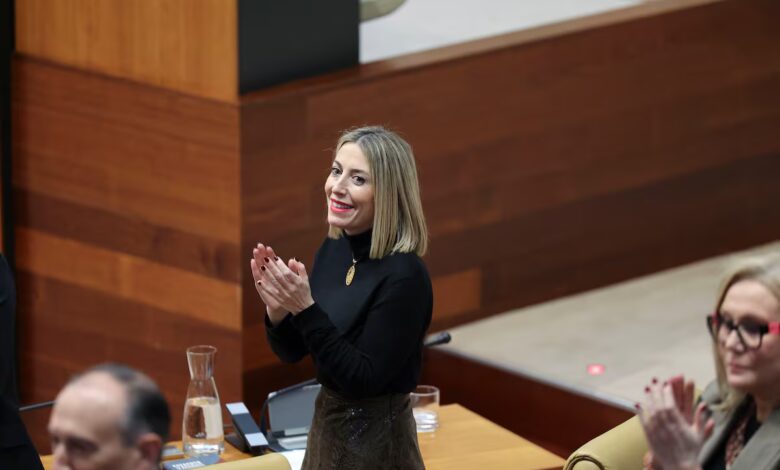
Meanwhile, negotiations between PP and Vox on forming a government reached a deadlock. As a result, at the first session of the new parliament, both parties put forward their own candidates for key positions. In the end, a PP representative was elected president of the Assembly, while Vox secured an important leadership post.
Behind-the-scenes negotiations
During the survey period, talks between PP and Vox were suspended. This became evident at the parliament’s first session, where each party voted for its own candidates. Despite their differences, PP conceded one of the key positions to Vox in an effort to restore a constructive dialogue.
This entire situation highlights that even when the balance of power shifts, voters remain loyal to their beliefs, and political maneuvers rarely impact their decisions. In essence, the campaign has become a formality, unable to sway the deeply rooted views of Extremadura’s residents.