The scandal surrounding the detention of a Spanish soldier in Lebanon has taken on particular significance for Spain, impacting not only international security issues but also domestic political relations. Comments made by a representative of the Partido Popular (PP) in Congress sparked a wave of criticism from the government, highlighting how sensitive such incidents are perceived both in society and among politicians.
Amid the end of the Easter holidays, with national attention focused on citizens returning home, PP deputy Ester Muñoz unexpectedly compared the detention of a Spanish UN peacekeeper in Lebanon to a routine roadside check. According to El Pais, this statement came just days after the Spanish serviceman was temporarily detained by Israeli forces in southern Lebanon. Muñoz claimed she herself had spent longer at police checkpoints than the soldier was held.
Government response
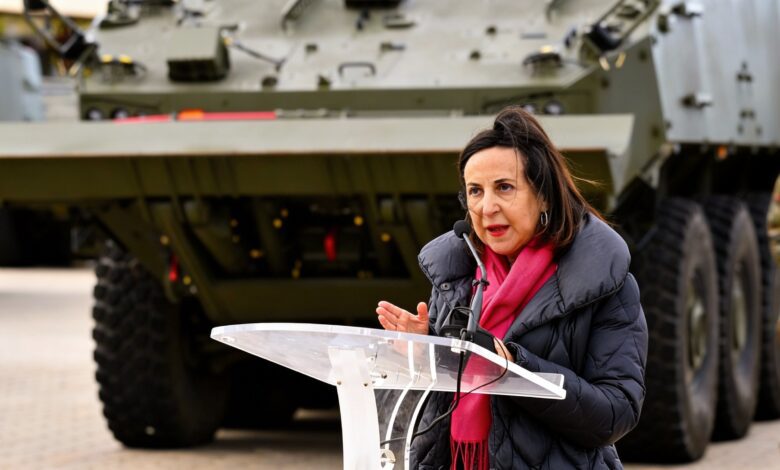
Foreign Minister José Manuel Albares and Defense Minister Margarita Robles strongly condemned Muñoz’s remarks, emphasizing that such comparisons are unacceptable and insult not only the serviceman himself, but also all Spanish military personnel participating in international missions. Robles recalled that the detention lasted less than an hour but was accompanied by aggressive behavior from Israeli soldiers, and release was only possible after the intervention of the UN and Spanish authorities. Albares added that the PP should apologize to the serviceman, his family, and everyone serving in the UN mission in Lebanon.
Deputy Prime Minister Yolanda Díaz also joined the criticism, calling Muñoz’s statements a sign of ‘profound ignorance’ and urging the party to show respect for the military and Spain’s international commitments. She noted that comparing the detention of a soldier acting under a UN Security Council mandate to an ordinary roadside check is not only inappropriate but also dangerous in terms of how international law is perceived.
Political consequences
The situation surrounding Muñoz’s statement became yet another example of Partido Popular’s unstable stance on foreign policy. Over the past two years, the party has repeatedly shifted its rhetoric towards Israel and Palestine. While PP’s earlier platform supported the creation of a Palestinian state, after Spain recognized Palestine in 2024, party leader Alberto Núñez Feijóo spoke of the risks of strengthening Hamas, and his colleague Miguel Tellado accused the government of using the international conflict to distract from domestic issues.
Later, after the escalation in Gaza and the shift in the European Union’s position, Feijóo publicly called on Israel to halt military operations against civilians. However, internal debates continue within the party on how to balance opposition activities with support for national institutions such as the military and diplomacy. Tellado, defending Muñoz, stated that her words do not contradict respect for the armed forces.
Public reaction and context
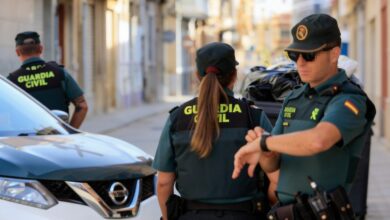
Public opinion in Spain turned out to be divided: some citizens supported the government’s demand for a public apology, while others considered the authorities’ response excessive. It is important to note that the Guardia Civil, which Muñoz referred to, does perform military functions, including road checks; however, comparing these situations with detention in a combat zone raised questions even among PP supporters.
As El Pais notes, such incidents highlight the complex balance between internal political rivalry and the need to maintain the country’s international reputation. With Spain actively engaged in peacekeeping missions, any public statements about the military can have implications not only for the country’s image but also for the safety of service members deployed abroad.
International experience and recent cases
In recent years, Spain has faced a number of incidents involving its citizens participating in international missions. For example, the country’s judicial system recently debated the admissibility of using artificial intelligence in decision-making, which sparked significant discussion within the professional community. More details about this can be found in the article on the response of judges to the introduction of new technologies.
Overall, cases of Spanish military personnel being detained abroad remain rare, but each incident draws close scrutiny from both authorities and the public. Looking back at events in recent years, after the incidents in Mali and the Central African Republic, Spanish authorities have strengthened the security oversight of their contingents and tightened requirements for cooperation with international partners. These measures aim to prevent similar cases in the future and protect the country’s interests on the global stage.