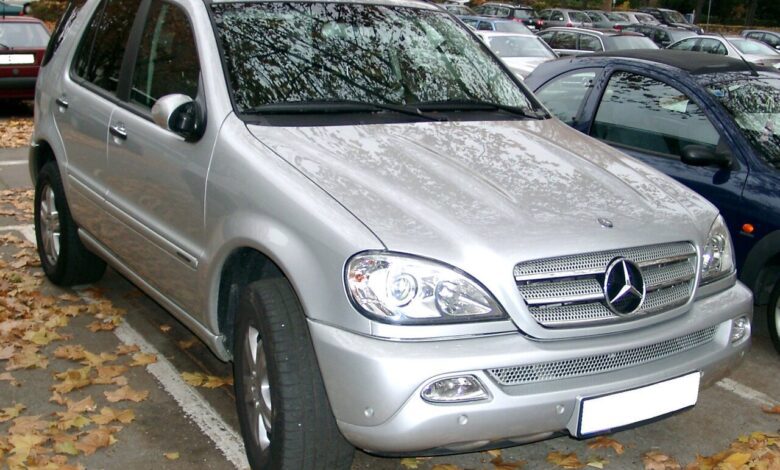
In Spain, there are still many drivers who prefer to leave their cars parked on the street without considering the long-term consequences. For many, it’s a matter of convenience or saving money, since renting or buying a garage comes with extra costs. However, keeping your car outdoors constantly inevitably leads to faster wear and tear and unexpected malfunctions.
Sun, temperature fluctuations, humidity, and accidental damage — all these factors negatively affect the technical condition of your vehicle. Over time, even minor external influences can cause serious breakdowns that could have been avoided if the car spent the night in a sheltered place.
The impact of low temperatures on the battery
In winter, when temperatures drop below zero, the battery becomes especially vulnerable. Cold slows down the chemical processes inside, reducing efficiency and increasing the risk that the engine won’t start in the morning. This problem is particularly common in diesel cars and high-mileage vehicles. A garage with a more stable microclimate helps extend battery life and protects you from unpleasant surprises on frosty days.
Sunlight and its effects on the car body
Constant exposure to ultraviolet light leads to fading of the paintwork, loss of shine, and cracking of plastic parts. Even the highest-quality materials deteriorate over time if the car is regularly left in direct sunlight. As a result, the vehicle’s appearance quickly worsens, and restoring the finish becomes expensive. A garage protects the body and components from harsh environmental effects, helping the car maintain its attractive appearance longer.
Problems with wipers and windows
Wipers and the windshield are affected by temperature fluctuations, precipitation, and dirt. The rubber parts quickly harden, lose elasticity, and start to scratch the glass. Ice buildup can damage the mechanisms, and small stones trapped under the wipers in cold weather often cause cracks. Keeping your car in a garage helps prevent premature wear of these components and reduces the risk of costly repairs.
Moisture and its hidden dangers
Extended outdoor parking allows moisture to seep into the cabin and the lights. As a result, damp spots appear on mats and upholstery, and headlights begin to fog up. Excess humidity can cause electrical malfunctions and create unpleasant odors. Storing your car in a garage minimizes the risk of condensation and protects the vehicle’s internal systems from damage.
Corrosion and rust: how to prevent premature aging
Rain, fog, and nighttime dew accelerate rust formation on metal parts, especially on the underbody, fasteners, and brake discs. Even modern anti-corrosion coatings can’t always withstand constant moisture exposure. Over time, this can require part replacements and increases maintenance costs. A garage helps delay corrosion and preserves your car’s reliability for years to come.