Starting from January 1, 2026, updated European regulations will come into effect in Spain, impacting all new cars. The main goal of these changes is to improve road safety through the adoption of modern technologies and the reassessment of conventional control elements.
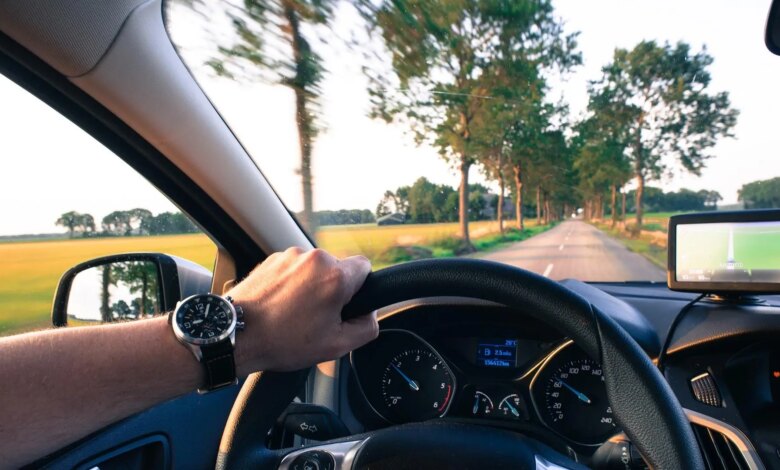
In recent years, automakers have actively replaced traditional buttons and levers with touchscreen displays. However, safety experts point out that operating such systems while driving can distract the driver. As a result, the new rules require that essential functions—turn signals, hazard lights, horn, and emergency call—must be duplicated with physical controls. Touch panels are still permitted, but only as an additional option.
Strict ergonomic standards for digital interfaces are also being introduced. Buttons on touchscreens must be large enough and spaced far enough apart to reduce the risk of accidental presses. Controls on the steering wheel must have tactile differences—raised surfaces or textures—so drivers can identify them by touch without taking their eyes off the road. All key information, including speed, headlight status, and assistance system activity, must be displayed within the driver’s line of sight.
Particular attention is being given to driver monitoring systems. New cars will now be required to have interior cameras with artificial intelligence and infrared sensors. These devices will be able to detect signs of fatigue, distraction, as well as possible alcohol or drug use by tracking eye and head movements. Manufacturers expect this to help reduce the number of accidents caused by human error.
In addition, safety tests for new models will become more complex. The trials will now include scenarios involving motorcyclists, complex intersections, and higher speeds. To meet these requirements, automakers will equip their vehicles with radars, high-resolution cameras, and more powerful computing systems.
Although the new standards are not legally mandatory, they will effectively become the norm for anyone seeking a high safety rating. Manufacturers are expected to start bringing back physical buttons to dashboards and to implement driver monitoring systems and advanced driver assistance features more actively. As a result, cars will become not only more technologically advanced but also safer for all road users.