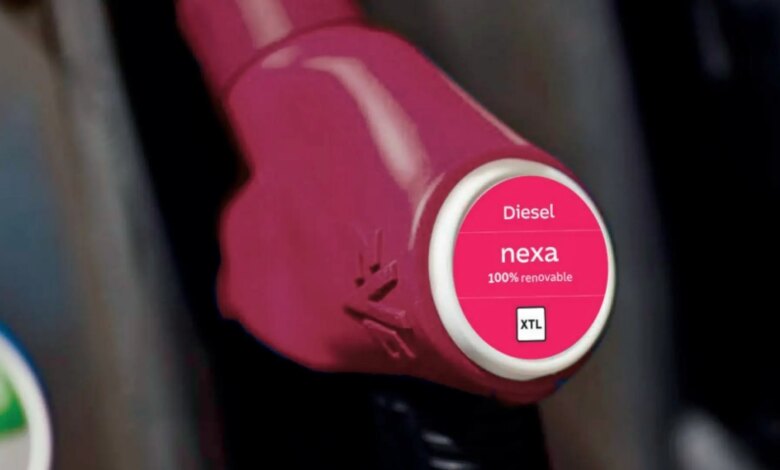
In recent years, Spanish gas stations have undergone noticeable changes. Whereas drivers used to easily distinguish between black and green nozzles—diesel and gasoline—an unexpected pink color has now joined the familiar palette. This novelty immediately caught the attention of motorists, raising questions: what kind of fuel is it, which vehicles is it intended for, and why does it have its own color?
The appearance of pink nozzles is linked to the development of alternative fuels. Leading energy companies in Spain, aiming to reduce harmful emissions and comply with European environmental standards, have begun introducing synthetic and renewable fuels to the market. The new pink nozzles, now found at some stations, are designed specifically for these fuels.
New types of fuel
The pink color at the pump is more than just a marketing ploy. It indicates fuel produced without petroleum. In particular, this refers to products from Nexa, a company specializing in renewable and synthetic fuels. Light pink nozzles are used for gasoline derived from renewable sources, while bright pink indicates diesel of the same origin.
These types of fuel are characterized by extremely low carbon dioxide emissions. Manufacturers claim that their use significantly reduces environmental harm compared to traditional gasoline and diesel. Moreover, these fuels are suitable for most modern vehicles, making them an attractive choice for those who care about the environment but are not ready to give up conventional transportation.
Reasons for emergence
The main goal of introducing new types of fuel is to extend the lifespan of internal combustion engine vehicles beyond 2035. European authorities have already announced plans to gradually phase out gasoline and diesel cars, but synthetic and renewable fuels could become a compromise solution. Unlike traditional fuels derived from oil, these are produced from biological or synthetic components, helping to reduce overall pollution levels.
Spanish experts note that such innovations open up new opportunities for the country’s vehicle fleet. If the European Union approves the use of these fuels, internal combustion vehicles will be allowed to remain on the roads even after new environmental standards are introduced. This is especially important for owners of modern cars who do not plan to switch to electric vehicles in the coming years.
Impact on the market
The appearance of pink nozzles has already drawn interest from drivers and industry experts. Some gas stations have begun actively promoting these new types of fuel, emphasizing their environmental benefits and compatibility with existing vehicles. At the same time, experts caution that the widespread adoption of such fuels will only be possible with government support and the development of appropriate infrastructure.
For now, pink nozzles are not available at every station, and the cost of the new fuel may be higher than that of traditional gasoline or diesel. However, as demand grows and production increases, prices could decrease and availability may improve. Drivers should carefully check the labels at gas stations to avoid making mistakes when choosing fuel for their vehicles.
The future of fueling stations
In the coming years, the range of fuels offered at Spanish gas stations is expected to expand further. Alongside pink nozzles, new colors may appear, marking other types of alternative fuels. This is part of the global trend toward decarbonizing transportation and moving to cleaner energy sources.
It is important for drivers to keep up with these changes—not just to avoid harming their vehicles, but also to help protect the environment. New fuels are not just a technological novelty, but a step toward a more sustainable future for the entire country.
In case you didn’t know, Nexa is one of the leading producers of renewable and synthetic fuels in Spain. The company actively partners with major gas station chains, implementing innovative solutions to reduce emissions and improve environmental safety. Nexa invests in technology development that enables the production of fuel from biological and non-fossil sources, making its products popular among today’s drivers.