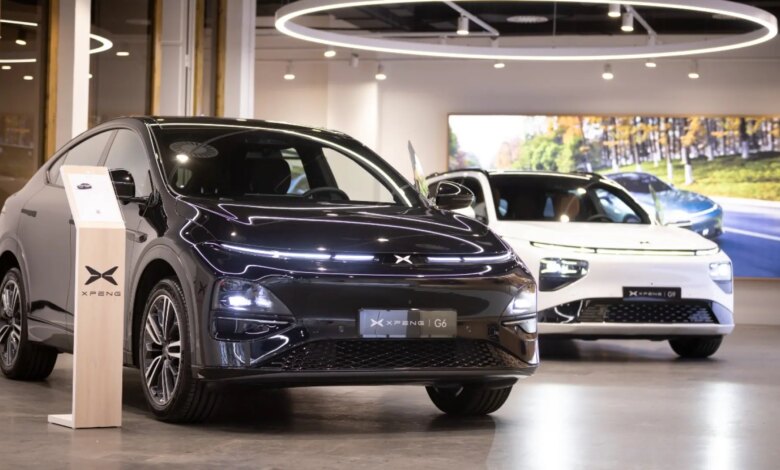
In 2026, choosing a car has become a real challenge for any driver. The market offers dozens of options: from familiar petrol and diesel models to electric vehicles, which are no longer a rarity. Each type of vehicle promises its own advantages, but raises quite a few questions as well. Which car will truly live up to your expectations? The answer depends not only on your budget, but also on how and where you plan to drive.
Buying a car is the second most significant investment after property. No one wants to make a mistake. Especially since the market has changed beyond recognition over the past year: electric cars are rapidly catching up with conventional models, while diesel engines are gradually fading into the past. But things are not as straightforward as they might seem at first glance.
Market trends
2025 marked a turning point for Spain’s automotive industry. During the year, 1,148,650 new cars were sold—a rise of almost 13% compared to the year before. An impressive increase, but the most important development isn’t in the numbers, but in the sales structure. For the first time in the country’s history, electric and hybrid vehicles captured two-thirds of the market. More than 100,000 electric cars were sold, accounting for nearly 9% of the total volume.
The share of petrol cars dropped to 27.7%, while diesel models are on the verge of disappearing—just 5.5% of the market. Ten years ago, diesel was seen as the only option for long-distance travel, but today its position has significantly weakened. Electric vehicles, on the other hand, have gone from a niche product to a mainstream phenomenon.
City or highway
Your choice between an electric vehicle and a gasoline-powered car directly depends on where you plan to drive. For city life, an electric car is almost the perfect option. It’s quiet, requires little regular maintenance, eliminates the need for gear changes, and you even use the brakes less thanks to regenerative braking. Plus, electric car owners can access every part of the city without worrying about environmental restrictions.
However, there’s a catch: to actually save money, you need the ability to charge your car at home. If you have a private house with a garage or an apartment with underground parking, it’s easy. Install a wallbox, charge at night on a low tariff, and forget about expensive public charging. But if that’s not an option, you’ll have to rely on city charging stations, which means higher costs and less convenience.
Travel and long-distance trips
The picture changes when it comes to trips outside the city. Electric vehicles with long range are expensive—for example, a Tesla Model 3 with a 750 km range will cost nearly 45,000 euros. The Mercedes CLA, with up to 790 km of range, is even pricier. More affordable models, like the Renault Scenic or Skoda Elroq, offer 600–650 km but are still out of reach for many buyers.
Cheap electric cars aren’t suited for long road trips: you’ll have to carefully plan your route, search for charging stations, and deal with long stops. If you rarely leave the city, consider a hybrid or gasoline model. For those who spend more time on the highway than at home, diesel remains the most practical choice.
Gasoline or diesel
The age-old debate between gasoline and diesel is still relevant. The logic is simple: if you drive more than 20,000 kilometers a year, a diesel engine will save you money on fuel. It consumes less, and a liter still costs less than gasoline. However, the gap is gradually closing, and this could change in the coming years.
Gasoline cars cost less upfront, but if you drive a lot, the savings disappear quickly. For occasional city trips and short distances, gasoline is a reasonable compromise. For long-distance drivers and travel enthusiasts, diesel or a hybrid with good range is preferable.
Financial considerations
Don’t forget about ownership costs. Electric vehicles are more expensive initially but are cheaper to service and run. Gasoline and diesel models win on price but require regular spending on maintenance and fuel. Hybrids offer a middle ground, letting you save money in the city and not depend on charging stations.
In 2026, the market offers solutions for every taste and budget. The key is not to chase trends, but to honestly assess your own needs. After all, a car isn’t just a means of transportation—it’s a reflection of your lifestyle.
If you didn’t know, BYD is one of the world’s largest electric vehicle manufacturers and is actively expanding in the European market. The company is known for its innovative battery technologies and electric platforms. In recent years, BYD has significantly expanded its lineup, offering affordable and high-tech electric cars for city and suburban travel.