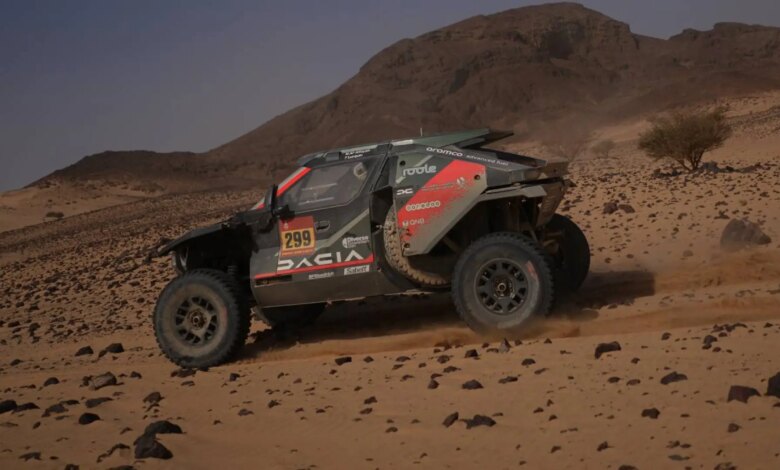
The motorsport world is in shock: Dacia, having just claimed the title in the planet’s toughest rally, has decided to pull out, leaving before the end of its declared term. This decision instantly shattered the plans of not only the team itself but everyone who built their careers alongside the brand. Drivers who were on top just yesterday are now forced to seek new teams, while fans are left wondering who will become the new hero of the track.
Instead of savoring its triumph and strengthening its position, Dacia chose to leave at its peak, leaving behind not only trophies but also a host of unanswered questions. Company executives explained their move by saying they want to focus on business rather than racing, even though recent successes had seemed to boost interest in the brand. Now, with victory at Dakar a reality, Dacia has decided that it’s time to close the racing chapter without waiting for 2027.
Wrong turn
Ambitions mapped out for three years crumbled in a single press conference. Dacia had initially announced plans to compete in rallying until 2027, but, as often happens in the world of big money and ambition, everything changed overnight. The company’s management proudly noted that they had achieved more than expected and now want to put this experience to commercial use. Apparently, the victory came too quickly, and instead of reinforcing its success, the brand decided to leave while receiving a standing ovation.
For the drivers, this decision was a real blow. Nasser Al Attiyah, who had just made history, now has to look for a new team for next season. Sebastien Loeb and Lucas Moraes were also left without contracts, while the Spaniard Cristina Gutiérrez, who had signed an agreement until 2027, now has to reconsider her plans. Her achievement — the best result among women in the past 25 years — became not only a personal record, but also a symbol of change within the team.
The final chord
Despite the high-profile exit announcement, Dacia is not disappearing overnight. The team has set itself one more goal — to win the W2RC cross-country rally world championship in 2026. Management insists this will be a worthy conclusion to their short but bright history in motorsport. The plans include participating in the four remaining races, with all three crews fighting for victory to bow out with style and the best possible result.
Last year, Dacia was already close to the title, but an unfortunate mistake in the final race in Maroc cost the team the coveted trophy. Now they have a chance to correct this mishap and end their motorsport journey on a high note. Management makes no secret of the goal: to leave as winners so that the Dacia name is remembered long after their departure.
New horizons
Dacia’s decision has already sparked a wave of discussion in the motorsport world. Many experts believe that such a sudden departure could shift the balance of power in upcoming seasons. Drivers who were recently part of a winning team will now become coveted targets for other championship contenders. Special attention is focused on Nasser Al-Attiyah, who openly expressed his desire to claim another title, but now faces the need to seek new opportunities.
For fans and experts alike, Dacia’s motivation for such an unexpected move remains a mystery. Some point to a strategic business rethink, while others suspect a wish to leave at their peak, avoiding the risk of losing their hard-won position. Whatever the reason, Dacia’s exit has already become one of the year’s most talked-about events, and their final season promises to be as dramatic as their victorious debut.
Despite its relatively short history in global motorsport, the Dacia brand managed in just a few years to evolve from a newcomer into a formidable rival for established leaders. Their victory at Dakar 2026 was a true sensation, and their ‘leave at the top’ strategy only added to the brand’s charisma. From now on, the Dacia name will be associated not only with affordable cars, but also with the ability to say ‘enough’ at the right moment, leaving a bright mark in racing history.