The wedding of King Willem-Alexander and Máxima Zorreguieta became one of the most talked-about events in the modern history of European monarchies. Their union not only changed the public’s perception of the Dutch royal family but also came to symbolize the overcoming of prejudice and political conflict. Beneath the glitter of the ceremony lay years of struggle, tears, and unexpected challenges that could have destroyed their relationship forever.
In 2002, as the entire country followed preparations for the royal wedding, few realized that a real drama was unfolding behind the scenes. Máxima, an Argentinian with a successful financial career in New York, faced distrust and even hostility from her future mother-in-law, Queen Beatrix. Her background, lack of aristocratic roots, and limited knowledge of Dutch all raised doubts about her ability to become part of the royal family.
A dance in Seville
The couple met in Seville, where Máxima was vacationing during the famous Feria de Abril. Willem-Alexander, then still the crown prince, immediately caught her attention but was in no hurry to reveal his true identity. According to legend, during their first dance Máxima joked about his clumsiness, unaware that she was dancing with the future king. This episode marked the start of their unconventional relationship, where there was no room for standard scenarios.
A year later, Máxima moved to Brussels to be closer to her beloved. The marriage proposal took place on an ice rink near the royal palace, heightening the sense of a fairytale. However, reality soon set in: the bride’s family’s past triggered a major scandal that threatened not only their relationship, but the reputation of the entire dynasty.
Shadow of the past
The main obstacle on the path to the altar was Máxima’s father, Jorge Zorreguieta, former Minister of Agriculture of Argentina during Videla’s dictatorship. His role in a government responsible for mass repression and the disappearance of thousands of people sparked outrage in Dutch society. The country’s parliament launched its own investigation, and Queen Beatrix, concerned for the monarchy’s future, tasked foreign intelligence agencies and private detectives to investigate the background of her future daughter-in-law.
Despite pressure and constant media scrutiny, no compromising evidence was found. The only ‘scandal’ was a video from a party in Buenos Aires. As a result, the parliament concluded that Máxima was not involved in the crimes of the regime, but her father was banned from attending the ceremony. This decision was a heavy blow for the bride, yet she accepted it with dignity, further endearing herself to the Dutch public.
Tears and triumph
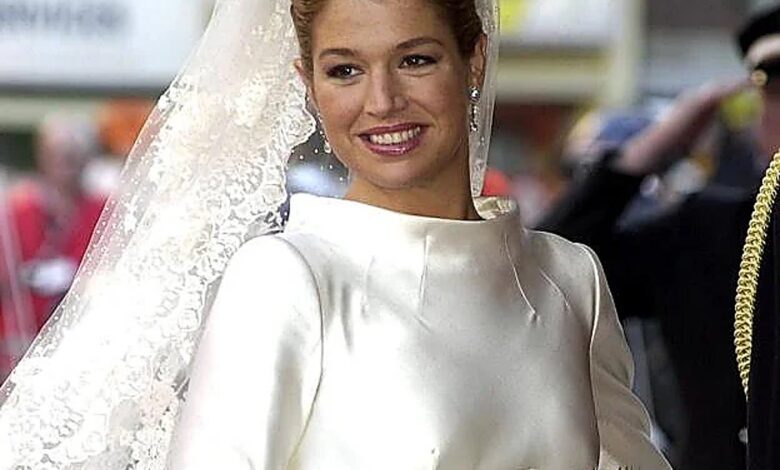
The wedding day in Amsterdam stood out not only for its luxury and the presence of European royals, but also for Maxima’s heartfelt emotions. Her father watched the ceremony on television from a London hotel, while the bride herself couldn’t hold back tears when her family’s favorite tango began to play. A Valentino gown, a radiant groom in a naval captain’s uniform, and an emotional moment of farewell to the past made this day truly historic.
After the celebration, the newlyweds went on their honeymoon to St. Moritz, and then visited Maxima’s relatives in Argentina. This gesture became a symbol of reconciliation and respect for her roots, despite the challenges they had to overcome. Over time, Maxima not only learned Dutch, but also became one of the country’s most beloved figures, earning the trust and respect of society.
Royal Drama
The love story of Maxima and Willem-Alexander has long crossed the boundaries of personal drama to become part of a national myth. Their union showed that even the strictest traditions can yield to feelings and common sense. Queen Beatrix, who once opposed the marriage, gradually softened her stance, while Maxima became a symbol of a modern, open, and tolerant monarchy.
Today, 24 years after their wedding, their marriage is considered one of the strongest in Europe. Public displays of affection, spontaneous actions, and sincerity have made them beloved not only in the Netherlands but far beyond its borders. Their love story serves as a reminder that behind the façade of royal palaces lie real human passions, fears, and victories.
Máxima Zorreguieta, a native of Buenos Aires, became the first queen consort of the Netherlands of Latin American descent. Her path to the throne was marked not only by personal trials but also by the need to overcome societal prejudices and political scandals. Thanks to her charm, intelligence, and resilience, she has earned the respect not only of the Dutch but of all Europe. Today, Máxima is actively involved in charity work, supports educational and social projects, and her story inspires many women worldwide.