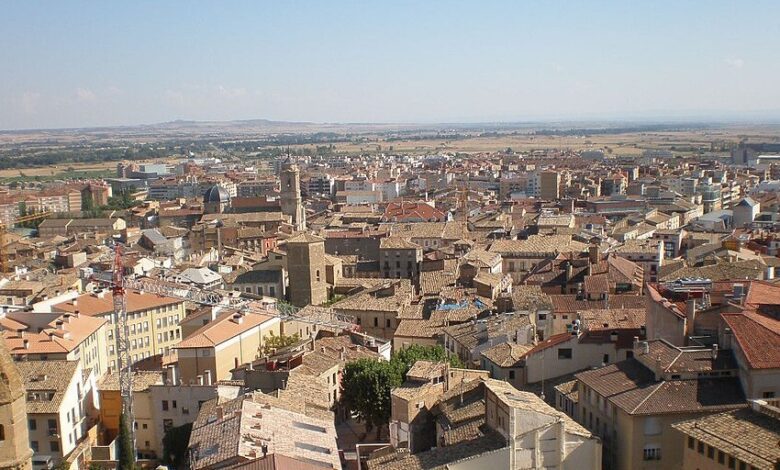
Huesca, nestled between the majestic Pyrenees and the bustling city of Zaragoza, has long ceased to be just a dot on the map of northern Spain. Combining the tranquility of a province with the dynamism of an administrative center, this city is increasingly standing out among other municipalities in Aragón. In 2025, its population reached 54,704, making Huesca the second most populous city in the region. Here, you won’t find the bustle of a metropolis, but it’s not provincial silence either—the city moves at its own measured yet eventful pace.
Huesca’s geographical location is truly a gift for nature lovers and outdoor enthusiasts. The mountain trails of the Pyrenees are within easy reach, and the major transport hubs and business centers of Zaragoza are just an hour’s drive away. This not only draws in tourists but also shapes a unique atmosphere: here, it’s easy to combine work, studies, and outdoor leisure. In recent years, the city has undergone noticeable renewal, with new residential neighborhoods, modern sports facilities, and cultural venues making it especially appealing for families with children and young professionals.
Demographics and Scale
A look at Aragón’s demographic map makes it clear: Huesca confidently maintains its status as one of the region’s key cities. In 2025, it ranks second only to Zaragoza in population, noticeably ahead of other towns. Nationally, Huesca holds the 137th position among all Spanish municipalities, on par with cities like Ávila and Cuenca. It’s not a metropolis, but it’s far from a small town—offering everything needed for a comfortable life, with a size that preserves a sense of coziness and safety.
The entire province of Huesca has 230,087 residents, making up less than half a percent of Spain’s population. Nevertheless, by Aragón’s standards, it is the second largest region after Zaragoza. A distinctive feature of the province is its extremely low population density—just 14.72 people per square kilometer. This is due to its vast territory and the dominance of rural areas, where life moves at a slower pace and traditions are passed down through generations. In the ranking of Spanish provinces by population size, Huesca stands at 43rd out of 50, highlighting its predominantly rural character.
Cities and Towns
Besides Huesca itself, the province features several towns that play a key role in its economic and social life. Leading the list is Monzón, home to 17,839 residents. This town is known for its developed industry and strategic location between Lleida and Zaragoza. Monzón has long been a hub for people from nearby villages: large enterprises operate here, modern schools and medical centers are open, and convenient transport links make it easy to reach neighboring cities.
Following Monzón are Barbastro and Fraga, with populations of 17,295 and 15,373 respectively. These towns are known for their vibrant business activity, well-developed infrastructure, and rich histories. Each is unique in its own way: Barbastro is renowned for its winemaking traditions, while Fraga stands out for its bustling markets and cultural festivals. Together with Huesca, they form a distinctive triangle that shapes the economic and social development of the province.
Who are the Oscenses
Residents of Huesca are called Oscenses—a term rooted in the city’s Latin name, Osca. This designation may surprise those unfamiliar with local life, but for the townspeople themselves, it has long become an integral part of their identity. In everyday conversation, however, another term is also commonly used—Altoaragoneses. This refers not only to Huesca’s inhabitants but to all who were born or live in Upper Aragon. The concept unites people with different backgrounds but a similar outlook: here, traditions are valued, nature is respected, and there’s little rush to conform to big-city standards.
An interesting feature of Huesca is its unique atmosphere: it’s common to meet people who’ve known each other since childhood, and newcomers quickly feel at home. The city takes pride in its history, yet isn’t afraid of change—this balance makes it appealing for those seeking both stability and room for growth.
Life in Huesca
Moving to Huesca means choosing peace, accessibility, and a high quality of life. There are no traffic jams, and housing remains affordable even in new neighborhoods. Modern schools and kindergartens welcome families with children, while sports enthusiasts can pick from dozens of clubs and groups. The city offers hospitals, clinics, cultural centers, and theaters, and on weekends locals head to the mountains or set off to explore ancient villages.
Another advantage is its proximity to the Pyrenees. Mountain enthusiasts, skiers, and lovers of stunning landscapes will find plenty of opportunities for outdoor activities here. And if you crave the buzz of city life, Zaragoza is just an hour away by train or car. This balance between nature and infrastructure is rare in other regions of Spain and is precisely what makes Huesca unique.
Huesca is a city full of surprises. Here, ancient traditions blend with modern trends, and locals take pride in their heritage while embracing change. In recent years, more and more young families and professionals are relocating here, drawn by its tranquility, safety, and the chance to live in harmony with nature. The city continues to evolve, all while preserving its distinctive character and atmosphere.
Huesca is the administrative center of the province of the same name in Aragón, situated at the crossroads of important transport and tourist routes. The city is known for its ancient past dating back to Roman times and its rich cultural heritage. Today, Huesca offers not only historical landmarks and charming streets but also modern residential areas, developed infrastructure, and a vibrant business environment. Thanks to its prime location and proximity to the Pyrenees, it is becoming increasingly popular among those seeking a balance of comfort, nature, and professional growth opportunities.