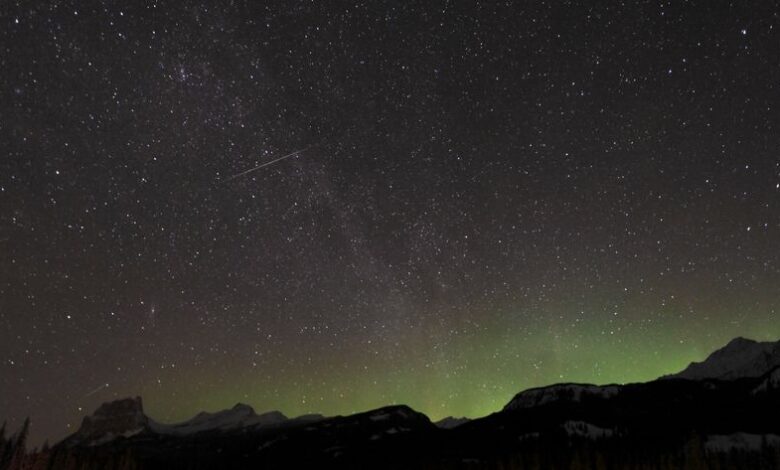
On the night of January 3 to 4, 2026, the sky over the Northern Hemisphere will light up with bursts from the Quadrantids—one of the most powerful meteor showers of the year. Although this time the peak coincides with the full ‘Wolf Moon’, astronomers and stargazers remain hopeful of catching at least a few bright meteors. The Quadrantids are known for their sudden bursts of activity, when up to two hundred shooting stars can be seen in just a few hours—provided the weather and lighting conditions cooperate. But in 2026, the Moon will flood the sky with its light, leaving only the brightest fireballs visible.
This meteor shower is active from December 26 to January 16, but its peak is unusually brief—just about six hours before dawn on January 4. The reason for this short window is the unique angle at which Earth crosses the trail of the ancient asteroid 2003 EH1. That’s why the Quadrantids are a real gem for skywatchers seeking rare celestial events: miss it, and you’ll have to wait a whole year.
January fireballs
The Quadrantids are not just another meteor shower. In the best years, they can produce up to 200 meteors per hour for those watching away from city lights under perfect conditions. But in 2026, NASA forecasts suggest the bright full Moon will limit sightings to just 10 meteors per hour. Even so, this modest display can be impressive, as the Quadrantids often deliver especially bright and long fireballs that leave glowing trails in the sky.
The January full moon, known as the Wolf Moon, adds a special atmosphere to the night. It is believed that during this time, wolves howl at the moon more often, and people make wishes on shooting stars. However, this year you’ll have to wish quickly: most meteors will fade into the moonlight, leaving only the brightest flashes visible.
Where to Find the Quadrantids
The main feature of the Quadrantids is their radiant—the point from which the meteors seem to appear. It is located near the handle of the Big Dipper (Ursa Major) constellation. For residents of northern latitudes, this constellation never sets below the horizon, so the best viewing is north of the 51st parallel. The higher the radiant is above the horizon before dawn, the better your chances of seeing meteors.
The Quadrantids are named after the now-defunct constellation Quadrans Muralis, introduced in the 18th century by French astronomer Jérôme Lalande. Although the International Astronomical Union did not include it in the official list of 88 constellations, its legacy lives on in the name of this meteor shower. The Quadrantids’ radiant will be low in the north after sunset but will rise nearly to the zenith by morning, offering the best conditions for observation.
Tips for Stargazers
To make the most of this rare opportunity, choose a spot far from city lights and allow your eyes to adjust to the darkness. You don’t have to look directly at the radiant—meteors can appear anywhere in the sky, and the longest trails are often seen away from the point of origin. Warm clothes, a thermos of tea, and a little patience are all you need for a night of stargazing.
Любители астрофотографии могут попытаться запечатлеть Квадрантиды, несмотря на сложные условия. Для этого пригодятся камеры с длинной выдержкой и светосильные объективы. Даже если удастся поймать всего один яркий болид, такой кадр станет настоящей гордостью для любого фотографа.
If you decide to share your photo of the Quadrantids, don’t forget to include the location and time—such images always attract interest from astronomy fans around the world.
RUSSPAIN reminds readers that the Quadrantids are one of the four major meteor showers of the year, alongside the Perseids, Geminids, and Lyrids. Their peak always comes in early January, and they are best observed in northern regions. In 2026, the shower coincides with a full moon, making observation more difficult but not impossible. For true night sky enthusiasts, even a few bright meteors can provide an unforgettable start to the year.