In February 2026, Madrid will once again become the center of attention thanks to a large-scale carnival that promises not only vibrant parades, but also unexpected cultural discoveries. The festival, which takes over key locations across the city, has the power to alter the usual pace of life in the capital, drawing every level of society into its atmosphere. For many locals and visitors, these days are a chance to see Madrid from a new perspective—free, ironic, and full of creative energy.
This year, the organizers have focused on expanding the program and introducing new formats, which has already sparked lively discussions among fans of tradition. The spotlight is on not just classic parades and masquerades, but also modern performances and interactive areas for families with children. This approach brings together people of different generations and makes the carnival a truly inclusive celebration.
Origins and transformations
Madrid’s carnival traces its roots to the distant past, when masks and costumes served not only as entertainment, but also as a way to mock social norms. Over the centuries, traditions have undergone many changes, yet the spirit of freedom and satire has remained constant. This year, the organizers decided to revive forgotten rituals by including elements in the lineup that have rarely been seen on the streets of the capital in recent decades.
Special attention is given to symbolic events, among them the parade of giants and the ‘manteo del pelele’ ritual. Once popular among the people, these customs return to the heart of the celebration, sparking enthusiasm among the youth and nostalgia in the older generation. There are new features as well: the schedule includes workshops on mask and costume making, as well as interactive performances where the audience becomes part of the action.
Events Calendar
Carnival kicks off on February 14 and runs until the 18th, covering both weekends and weekdays. The largest events take place on Saturday and Sunday, when the streets fill with music, dancing, and laughter. During these days, Madrid transforms into a vast stage where anyone can become the star of the festivities.
On Monday and Tuesday, the carnival vibe shifts to different neighborhoods, hosting local activities and themed parties. It all ends with the traditional ‘Burial of the Sardine’—a symbolic farewell to merriment and the start of a new chapter. This ritual, filled with irony and hidden meaning, never fails to draw crowds of spectators and participants.
Main Venues
In 2026, the cultural center Matadero Madrid once again becomes the heart of the festivities, hosting the main creative activities. Here, visitors will find workshops, concerts, theater performances, and the official carnival opening. The venue’s atmosphere is perfect for experiments and bold ideas, attracting young artists and families with children.
No less important is the Madrid Río area, which hosts traditional street parades, performances by street musicians, and costume contests. The open spaces along the river make it possible to set up large-scale installations and organize massive dance flash mobs. This year, a record number of participants is expected, which may lead to temporary traffic restrictions in some areas of the city.
Parade and new formats
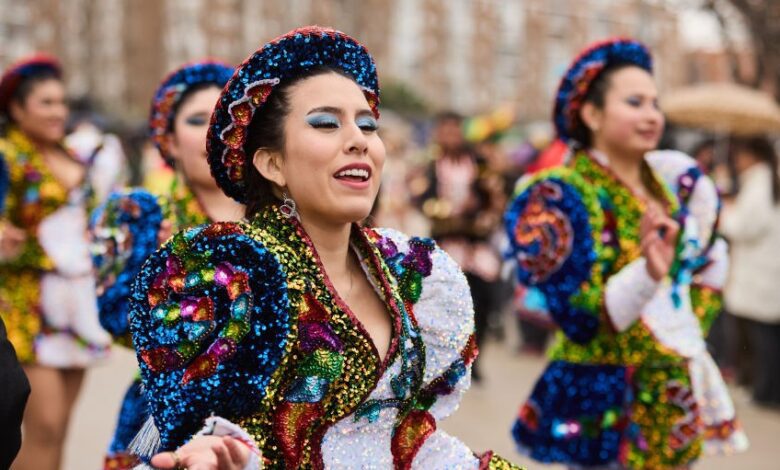
The highlight of the celebration will be a grand parade, set to begin on February 14 at 1:00 p.m. from the Puente de Toledo bridge and conclude at the square near Matadero. Not only will traditional carnival troupes take part in the parade, but also modern performance groups and representatives of various cultural associations in the city. This year, the parade is expected to be the largest in the past decade.
For the first time in the history of Madrid’s carnival, organizers are introducing interactive zones for spectators, where everyone can try on the role of performer or take part in creating street installations. This approach has already sparked interest among tourists and locals, who are booking spots in advance for workshops and themed tours.
Tradition and modernity
Sunday is dedicated to the revival of ancient traditions: giants and big-headed puppets will once again appear at Madrid Río, along with performances by satirical troupes known for their sharp humor and musical acts. Separate programs for children and teenagers include quests, contests, and creative workshops.
On weekdays, the carnival atmosphere continues thanks to local initiatives in different parts of the city. Residents organize their own mini-parades, themed parties, and best costume competitions. This decentralized format allows even districts that previously stayed away from large festivities to join the celebration.
The final act — the ‘Burial of the Sardine’ — unfolds in two stages: in the morning, a procession moves through the historic center, and in the evening, it heads toward Casa de Campo, where a symbolic farewell to the carnival is held until next year. This ritual, full of humor and hidden allusions, never fails to stir strong emotions among spectators.
The Madrid Carnival is not just a series of events, but a reflection of the city’s spirit and its ability to blend tradition with modernity. Each year, the festival takes on new features while preserving its unique atmosphere. In 2026, organizers have focused on openness, creativity, and engaging everyone who wishes to take part, which already makes this carnival one of the most talked-about events of the season.
The Carnival in Madrid is an annual event that brings together residents and visitors of the capital in the days leading up to Lent. With a history spanning several centuries, its traditions encompass both folk rituals and modern forms of street art. In recent years, the festival has been rapidly evolving, attracting more and more young participants and tourists. The program highlights include parades, workshops, and interactive performances, making the carnival a truly unique phenomenon in the city’s cultural life.