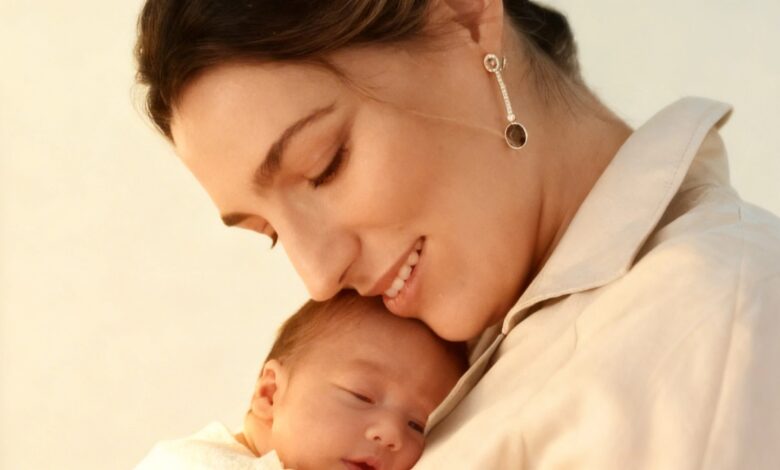
Eugenia Osborne shares how personal challenges have shaped her motherhood and family
Eugenia Osborne’s family story: how becoming a mother changed her outlook
Eugenia Osborne’s candid reflections on her sons and the loss of her daughter
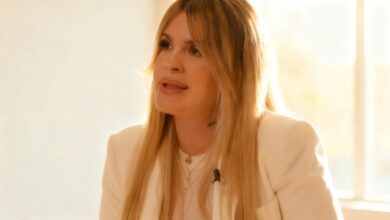
In recent years, Eugenia Osborne’s story has become an example of how personal trials can transform one’s relationship with family and children. Her openness about motherhood has resonated with Spanish audiences, as she speaks not only about the joys, but also about the difficult choices that come with parenting and loss. Known as a psychologist and an active presence on social media, Osborne talks candidly about how having children changed her perspective and inner life.
Her sons Juan and Tristan have become central figures, with their birthdays prompting deep reflection. According to Divinity, Eugenia Osborne does not hide that these events made her rethink her role within the family. She notes that her eldest son Juan became a source of growth and new discoveries, while Tristan’s arrival brought unexpected changes and a joy she hadn’t expected to experience again.
Family changes
In her writings, Osborn emphasizes that each child has been a unique experience for her. Juan, who recently turned 14, was the first to change her perspective on motherhood. Together with him, she navigated many new situations, learning to overcome challenges and celebrate successes. Tristan, who just turned ten, arrived unexpectedly, but according to his mother, his presence filled the home with a special atmosphere and helped her see everyday moments in a new light.
Evgenia Osborn points out that with her youngest son she learned to appreciate every moment more, realizing how quickly childhood passes. She recalls the last moments associated with moving away from familiar rituals—such as when her child stopped sleeping in a crib or gave up his pacifier. In her view, these details make motherhood especially valuable and unforgettable.
Trials and Losses
However, Osborn’s family history includes more than just happy events. As reported by Divinity, one of her hardest trials was the loss of her daughter Leticia, who died soon after a premature birth. This tragic episode had a profound impact on her outlook on life. Osborn has repeatedly stated that such a loss is never forgotten and does not pass without a trace, and that the memories of her daughter remain with her to this day.
In an interview for the program ‘Madres: Desde el corazón’, she shared that she has learned to live with pain, although it is impossible to overcome it completely. According to Eugenia, the feeling of Leticia’s presence remains with her even years later. This experience became a lesson in resilience and a reminder of the fragility of family happiness.
Looking to the Future
After everything she went through, Eugenia Osborne decided not to become a mother again. This choice was influenced not only by her personal experiences, but also by the challenges she faced during her pregnancies. She emphasizes that this stage of her life allows her to focus on raising her three children and to value each day.
Osborne’s public confessions resonate with many parents facing similar experiences. Her story shows that even in the most difficult circumstances, it is possible to find strength to move forward. Russpain.com analysis indicates that such candor helps to foster a more open attitude toward motherhood and family challenges in Spanish society.
The topic of personal trials and changes in the family is becoming increasingly relevant. Recently, attention was drawn to the news of how Luna Serrat and Dani Ceballos concealed a twin pregnancy for four months, surprising even those closest to them — details of this story can be found here. These examples show just how diverse the ways are in which families go through both joy and hardship.
Eugenia Osborne is a member of a well-known Spanish family, daughter of Bertín Osborne and Sandra Domecq. Her professional background is in psychology, and her personal life is closely tied to raising her three children. Her openness and willingness to share personal experiences have made her a prominent figure in Spanish media. Eugenia’s stories often spark discussions on complex topics such as motherhood, loss, and the search for new meaning in family life.