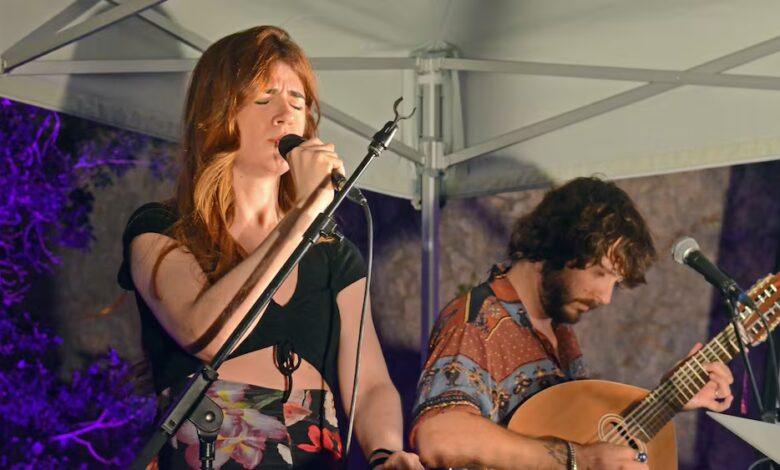
In Spain, few people dare to speak about love openly, without irony or judgment. Maria Rodés did just that at her concert in Catalonia, presenting an album that challenges conventional stereotypes. Her performance became a prominent event for anyone following changes in contemporary Spanish music and culture as a whole. This approach to the theme of love could influence how feelings are perceived in society and inspire other artists to be more honest and open.
Musical transformations
On stage, Maria Rodés immediately showed she is not afraid to experiment with styles. Her new album features gentle bossa nova, hints of tango, and even rumba blended with flamenco. Each track is its own story, where emotions are not hidden behind complex imagery but are expressed simply and sincerely. The singer does not try to appear mysterious or dramatic; on the contrary, she emphasizes the naturalness and straightforwardness of feelings.
A particular highlight was a song she wrote as a teenager. The album cover features a photo of Maria at age 13, and it is to this time that she returns in one of the tracks. Memories of first love sound naive, but that is their strength—the adult does not shy away from her youth and openly shares her personal experience. This approach is rarely seen on the Spanish scene, where more theatrical emotions often dominate.
Stage simplicity
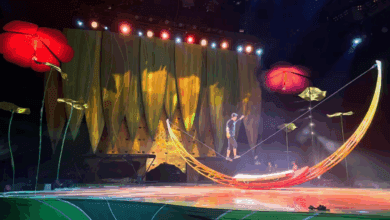
The concert unfolded without unnecessary pomp. On stage were only Maria, a guitarist, and a musician responsible for electronic effects. Occasionally, guest artists would join them, adding flamenco or copla elements. This created a cozy, home-like atmosphere, where every sound was perfectly placed. Maria never raised her voice or tried to impress the audience with loud notes — her strength lies in her softness and ability to convey mood through subtle details.
In one of the songs, the singer wittily describes her disappointment with someone who once seemed perfect. The melody is light, almost pop-like, but the lyrics are filled with hidden sarcasm. This contrast makes Maria Rodés’s music distinctive and sets her apart from other performers. She’s not afraid to address complex emotions, but does so without pathos or melodrama.
A fresh perspective on emotions
At the end of the concert, a samba-style song sounded, repeating a phrase about the inevitability of endings. Instead of tragedy, there was lightness and humor — a rare approach for love songs. Maria Rodés shows that emotions can be varied: joyful, sad, ironic. She doesn’t impose ready-made answers on her listeners, but invites them to reflect and feel for themselves.
Maria Rodés’s performance demonstrated how personal stories can be shared without turning a concert into a spectacle for the sake of effect. Her music is not a collection of loud emotions, but delicate work with nuances, where every intonation matters. This approach could change attitudes toward romantic themes in Spanish culture and inspire other artists to explore new forms of expression.
In recent years, Spain has seen a growing number of projects where artists openly express their feelings, embracing vulnerability. For example, concerts in Madrid and Barcelona are drawing full houses thanks to the performers’ sincerity. Music festivals in Valencia and Seville are also noting increased interest in genres that value not just technique, but personal storytelling. These trends show that audiences are ready to experience music not merely as background, but as a way to understand themselves and those around them.