The Carnival in Verín is far more than just another tourist attraction. This event completely transforms life in the small Galician town, sweeping away the ordinary routine and immersing everyone in a whirlwind of ancient customs. Every year, the usual order gives way to noise, laughter, and a sense of true anarchy, where even the most reserved locals become part of the wild spectacle.
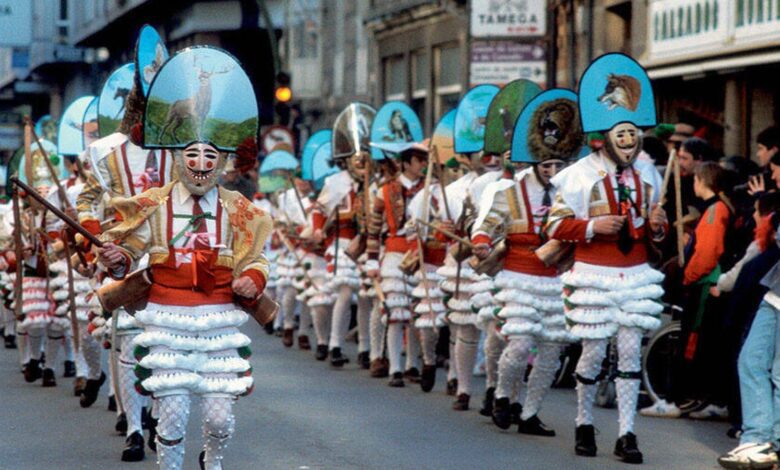
For several weeks, the city fills with the sounds of drums, shouts, and laughter, and the air thickens with flour thrown during traditional mock battles. Mysterious masked figures in vibrant costumes appear on the streets—these are the famous cigarróns, who not only decorate the festivities but set the rhythm and mood for the entire celebration. Their appearance always sparks a storm of emotions: some laugh, others hide, while some try to guess who is behind the mask.
Traditions and symbols
The main characters of the carnival—cigarróns—are men in wooden masks, adorned with elaborate mitres and jingling bells on their belts. Their role is not just to entertain, but also to keep order, and sometimes even punish those who refuse to join in the fun. Their origins are believed to date back to ancient times, when similar figures were thought to drive away evil spirits and bring good fortune for the year ahead.
The festivities begin with Jueves de Compadres, a day when men gather together to mark the start of the carnival. From this moment, the city fills with music and a sense of anticipation hangs in the air. Next comes Domingo de Corredoiro, when the cigarróns appear on the streets for the first time, kicking off the real madness: firecracker blasts, non-stop dancing, and the first flour battles.
Battles and Parades
A special highlight of the program is the famous fariñada—a massive flour battle open to everyone. It’s more than just fun; it’s a symbolic act representing purification and renewal. On this day, no one stays clean: flour covers clothing, hair, and even faces, turning everyone into equal participants in the celebration.
Throughout the week, there are numerous parades, masquerade balls, and costume contests. Every evening, music fills the streets as locals and visitors break into impromptu dances right on the squares. All eyes are on the Gran Desfile de Carrozas, a spectacular parade featuring not only traditional masks but also modern costumes reflecting current themes and events.
Gender Wars and Night Revelry
Jueves de Comadres is the day when women take the initiative. That evening, they throw their own parties while men step aside for them. This playful ‘battle of the sexes’ has long become one of the most anticipated traditions, adding a sharper edge and extra fun to the festival.
Friday and Saturday are marked by street feasts, folk festivities, and night discos. On these days, the city barely sleeps: music plays until dawn, and the streets fill with the most unexpected characters. Here, it’s easy to lose track of time and forget all your worries.
The climax and return to reality
Sunday is considered the highlight of the carnival. On this day, the main parade takes place, drawing everyone from children to the elderly. Masks, costumes, floats, and of course, cigarróns—all blend together in a single stream of joy and energy. The atmosphere is so captivating that even random passersby can’t resist joining the procession.
Monday brings another flour battle, and on Tuesday the last parade is held. By Wednesday, the city gradually returns to its usual rhythm, but the memories of the carnival linger in the hearts of residents and visitors for a long time.
More than just a celebration
The carnival in Verín is not only about fun and lively festivities. It’s part of Galicia’s cultural identity, a way to preserve the past and pass traditions on to new generations. Many come here not just for the spectacle, but to feel part of something meaningful and genuine.
During these days, the city becomes a magnet for tourists from all over Spain and even abroad. In addition to the carnival, Verín is known for its thermal springs, ancient fortress, and winemaking traditions. Here, you can not only have fun, but also discover new facets of Galician culture.
Entroido de Verín is a unique phenomenon that blends ancient rituals, modern merriment, and an unmistakable atmosphere. Anyone who has visited during carnival days leaves with the feeling of having witnessed something truly special.
The Verín Carnival, or Entroido de Verín, is one of the brightest and most recognizable festivals in northern Spain. Its roots go back to pre-Christian times, while its contemporary traditions have taken shape over centuries. The main symbols—the cigarróns—have become an integral part of local culture and the emblem of the region. Each year, the festival attracts thousands of visitors, turning this small town into a magnet for those drawn to extraordinary traditions and vivid experiences.