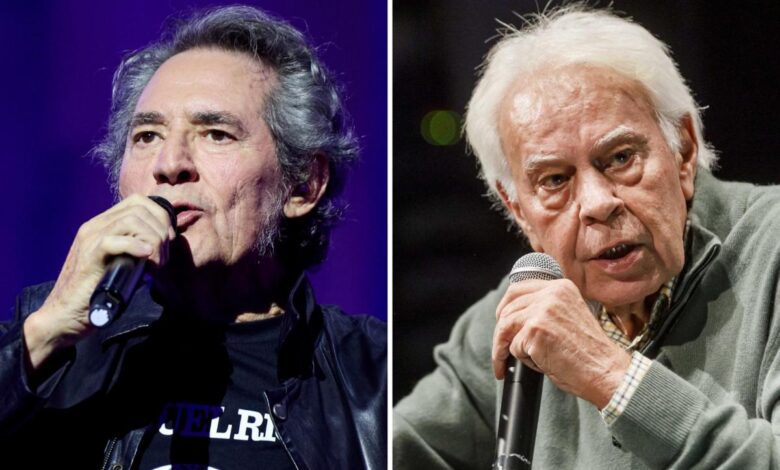
Miguel Ríos’s remarks about politics and former socialist leaders have sparked discussion in Spanish society. His words touched not only on personal beliefs, but also raised questions about the present and future of socialist ideas in the country. For many Spaniards, such statements from public figures serve as a sign of shifts in public sentiment and a reason to reflect on their own views.
In a television interview, Miguel Ríos openly admitted that he has never been a party member, but has always voted for the socialists. He acknowledged that he does not consider himself a true socialist or communist, since, as he put it, after earning his first big profit he did not share it with others. However, the musician stressed that paying taxes, in his view, is an expression of socialist values. This approach caught viewers’ attention, as the issue of honesty and social responsibility remains relevant for many.
Socialism and personal choice
Ríos recalled how, in the early 1980s, his music and slogans became part of the socialists’ election campaign. According to him, one of the party leaders even joked that the musician was ‘owed a few deputies’ for his contribution to their success. Looking back at that era, the artist noted that optimism and belief in change were strong then, but today, in his opinion, many former socialists have lost their ideals. This remark resonated especially sharply against the backdrop of current political debates.
During the conversation, Miguel Ríos also addressed the need for democratic change. He expressed the view that renewal should begin with the citizens themselves, who must learn to be more critical and to defend their opinions without confrontation. According to the musician, this approach will help society move forward and avoid unnecessary conflicts.
Humor and politics
The interview also featured lighter moments. When the topic turned to current politicians, Ríos could not resist a touch of irony. He described the prime minister as ‘very handsome,’ while the opposition leader, he said, ‘looked better with glasses.’ The singer called the King of Spain ‘very tall.’ These brief but pointed remarks drew smiles from the audience and gave the interview a special atmosphere.
At the end of the program, the host asked the musician which well-known politician he would invite to his concert. Without hesitation, Ríos chose the former attorney general, noting that he considers him a good person. This unexpected answer surprised many and sparked a new wave of discussion on social media.
Context and consequences
Such candid interviews with well-known personalities often spark public debate in Spain. In recent years, more and more artists and cultural figures have openly expressed their views on politics, reflecting society’s growing interest in issues of identity, justice, and change. This has become particularly noticeable amid shifts in party leadership and a generational change among politicians.
Recalling recent events, it’s worth noting that similar statements by other musicians and actors have also drawn widespread attention. For example, discussions about the role of art in politics and the impact of public figures on public opinion have become key topics in Spanish media. These cases show that the line between culture and politics is becoming increasingly blurred, and the opinions of famous people can reshape the public agenda.