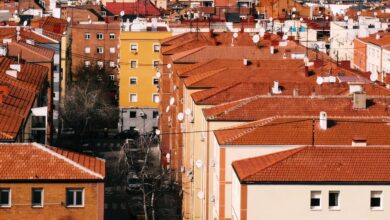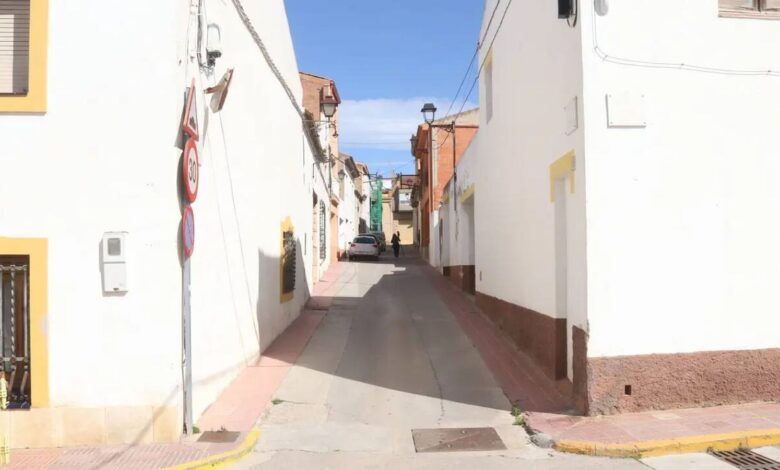
In the heart of Catalonia, where vineyards give way to neat houses, there is a place that can surprise even the most seasoned traveler. In the small town of Bellvei, seemingly unremarkable at first glance, there is a street that challenges conventional ideas about borders. Here, you only need to cross the road to find yourself not just in another municipality, but also in a different province, and at the same time—in a new comarca. This is neither a joke nor a tourist attraction, but a reality that local residents face every day.
A street aptly named Calle de las Dos Provincias is a true administrative paradox. On one side lies the province of Tarragona, on the other—Barcelona. On one sidewalk—Bellvei, on the opposite—Castellet i la Gornal. And although the houses stand right across from each other, their residents obey different laws, receive medical care from different facilities, and even process documents at different offices. Here, the border isn’t an abstraction, but a line you can see from your kitchen window.
Life on the border
Every day, residents of this street face the consequences of such an unusual neighborhood. For example, a child living on one side attends school in Tarragona, while his friend across the street goes to school in Barcelona. If someone falls ill, they also have to look for a doctor in ‘their own’ province. Even simple bureaucratic issues, like registering a car or obtaining a certificate, are resolved in different places. And all of this—just an arm’s length away.
This situation became especially pronounced during the pandemic. When Spain imposed strict restrictions on travel between provinces, residents of the street found themselves in an absurd predicament. To buy bread or visit a relative, one had to cross the ‘border,’ risking a fine. People living in the same building but on different sides of the street were suddenly separated not only formally, but physically as well. For many, it was the first time they thought about how arbitrary yet rigid administrative boundaries can be.
The invisible line
At first glance, the street looks no different from hundreds of others in Catalonia. The same neat facades, blooming balconies, children’s bikes by the doors. But upon closer inspection, you notice: on one side, store signs follow Barcelona’s standards, on the other—Tarragona’s. Even garbage is collected by different services, and utility payments go to separate budgets. This sometimes leads to confusion: residents argue over who should fix a streetlamp or clear the snow in winter.
Still, most locals have long adapted to this way of life. They joke that they can ‘travel’ between provinces without leaving their own yard. But behind this irony lies a real difficulty: any reform or legal change here is met with double attention. After all, what is allowed on one side may be forbidden on the other.
The pandemic and the absurd
The lockdown period turned into a real ordeal for the residents of this street. Authorities strictly enforced border controls, and even a short walk could lead to trouble. Some families found themselves divided: a grandmother lived on one side, grandchildren on the other, and meeting was impossible. Shops, pharmacies, even mailboxes—all ended up on opposite sides of the barricade. People admit they had never felt so isolated before, even though physically they were closer to each other than ever.
After restrictions were lifted, life gradually returned to normal, but memories of that time remain. Now locals fondly recall how they exchanged groceries over the fence or chatted with neighbors from opposite sidewalks. Yet even today, the administrative border still shapes their daily lives.
A symbol of division and unity
This street in Bellvey has become not only a symbol of bureaucratic absurdity, but also an example of how people can find common ground despite formal barriers. Here, families form friendships, celebrate holidays together, and help each other with everyday tasks. For most residents, the border is just a technicality they have learned to overcome with humor and ingenuity.
Nevertheless, questions remain. Why, in the 21st century, can a simple line on asphalt have such a profound impact on people’s lives? Isn’t it time to rethink outdated administrative divisions that hinder normal interaction and create unnecessary complications? For now, the street in Bellvei stands as a unique example of how bureaucracy can intrude into everyday reality.
If you didn’t know, Bellvei is a small municipality in Catalonia, located in the Baix Penedès comarca. The town is known not only for its unusual street but also for its winemaking traditions and tranquil atmosphere. In recent years, Bellvei has attracted tourists seeking authentic destinations away from the usual routes. Locals take pride in their history and unique place on the map of Spain.