The name Santander is more than just a geographic label—it’s a key to understanding its unique identity and historical paradoxes. Behind the name lies not only the memory of ancient martyrs but also a wealth of cultural and political transformations that have shaped the fate of the Cantabrian capital. For locals and visitors alike, knowing this history is not a mere formality but an integral part of daily life, evident in its architecture, traditions, and even street names.
Ancient roots
Santander arose on the site of a Roman port once known as Portus Victoriae. This harbor became the starting point for the formation of the city’s core, around which life developed over centuries. By the Middle Ages, Santander had gained status as a major trading center, its port linking Spain to northern Europe. In the 13th century, Santander was granted official privileges, cementing its regional importance. However, it was religious relics that played a decisive role, shaping not only the city’s spiritual, but also its political destiny.
Saints and relics
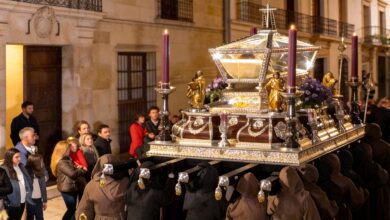
The name Santander is rooted in the veneration of two martyrs — Emeterio and Celedonio. These Roman soldiers, who embraced Christianity, were executed for their faith in the early 4th century. According to legend, their remains were transferred to northern Spain during the Arab conquests, as Christians sought refuge and new centers of congregation. Around the shrine that housed their relics, a settlement grew, and its name gradually transformed: from Sancti Emeterii to Santender, and finally to the modern Santander. Some medieval documents mention alternative forms, such as Sant Andero, which inspired speculative theories linking the city’s name to the cult of Saint Andrew. However, it is the memory of martyrs Emeterio and Celedonio that laid the foundation for the city’s identity.
Trials and revival
Santander has faced disasters that threatened to erase it from the map. The most devastating was the 1941 fire, which destroyed the historic center. The city was forced to literally rise from the ashes, a trial that only strengthened its spirit. In the 20th century, Santander transformed into a modern tourist and cultural hub, while preserving respect for its roots. Today, the city blends ancient monasteries, contemporary universities, and lively promenades, and the memory of the martyrs endures in local festivals and symbols.
Renaming and identity
Until 1981, the region was officially known as the province of Santander. It was only with the adoption of autonomous status that it received its historic name, Cantabria, which became an act of cultural restoration. This decision not only highlighted the uniqueness of the territory, but also allowed residents to reconsider their connection to an ancient tradition. Nevertheless, the city of Santander remained a symbol of continuity and a link between eras, with its name serving as a reminder of the region’s complex and dramatic history.
Modern life
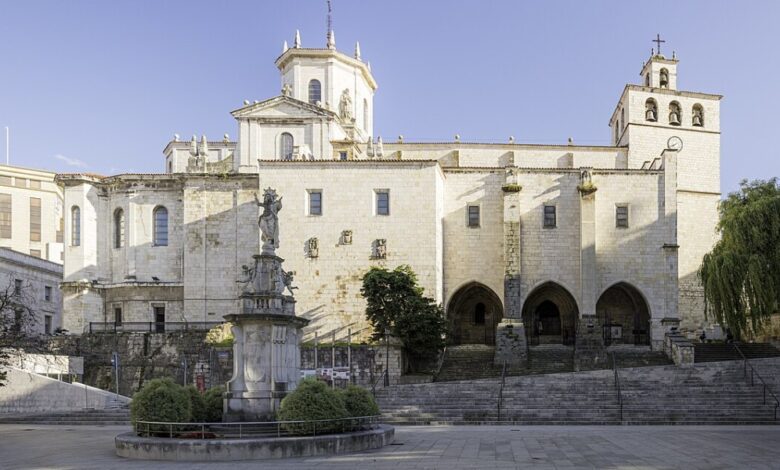
Today, Santander is a city where past and present intertwine at every turn. Here, one can find ancient churches alongside innovative cultural spaces. Locals take pride in their heritage, while visitors note the city’s distinct atmosphere, blending tranquility, natural beauty, and urban dynamism. The beaches, parks, and the famous bay make Santander one of the most attractive places to live and relax in northern Spain.
Saints Emeterio and Celedonio, whose names gave rise to the city’s own, were Roman legionnaires who embraced Christianity despite the threat of death. Their martyrdom became a symbol of steadfastness and faith, and the cult that emerged around their relics influenced the development not just of Santander, but of all northern Spain. In modern city life, their memory is preserved in festivals, street names, and even architecture, serving as a reminder that the city’s history is not only its past, but also a living part of its present.