A new wave of interest in gene therapy is sweeping through the world of medicine, as an international team of scientists from seven countries has released fresh data on the use of CRISPR-Cas9 technology to treat severe forms of sickle cell anemia and beta-thalassemia in children under 12. The results of the phase three clinical trials, announced at the annual meeting of the American Society of Hematology (ASH 2025), sparked intense debate among experts. According to researchers, the therapy showed 100% efficacy in the first patients, and the procedure was surprisingly well-tolerated.
Sickle cell anemia and beta-thalassemia are inherited disorders that disrupt normal hemoglobin synthesis, leading to chronic anemia, misshapen red blood cells, and numerous complications. The new drug, exagamglogene autotemcel (exa-cel, CTX001), developed using genome editing, has already been approved for patients over the age of 12. Now, scientists have decided to test its potential in a younger age group.
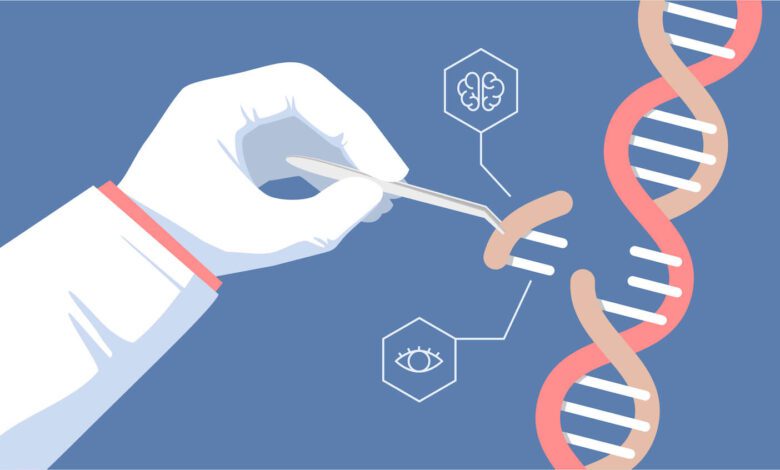
The method involves collecting the patient’s own hematopoietic stem cells, ‘switching off’ the BCL11A gene in the lab—which otherwise hinders fetal hemoglobin production—and then returning the cells to the patient. After this, the body starts producing red blood cells with normal hemoglobin F, compensating for the defect in adult hemoglobin.
Trial details
As part of the two-year open-label phase 3 trials, known as CLIMB SCD-151 and CLIMB THAL-141, researchers observed children aged 2 to 11 years old. The first group included patients with sickle cell anemia who experienced at least two severe vaso-occlusive crises annually. The second group involved children with beta-thalassemia who required regular blood transfusions.
By April 2025, ten children with anemia (average age 8.3 years) and thirteen children with thalassemia (average age 7.4 years) had received a single infusion of exa-cel after busulfan myeloablation. They were monitored for a period ranging from 2 to 24 months. Notably, both boys and girls were included in the study, allowing the assessment of treatment efficacy regardless of gender.
In the anemia group, none of the children experienced new vaso-occlusive crises after the procedure, and two patients who had been followed for more than a year did not require hospitalization for this reason. In the thalassemia group, nine out of thirteen children were able to completely stop blood transfusions, and five who were monitored for more than 12 months did not need transfusions at all during this period. Across all participants, the average hemoglobin level consistently exceeded 118 grams per liter.
Safety and complications
All children who underwent treatment showed stable expression of the edited genes in both bone marrow and blood. The safety profile matched the standard risks associated with myeloablation and autologous stem cell transplantation. However, there were complications: one patient with thalassemia developed severe hepatic veno-occlusive disease, which led to multiple organ failure and death. The remaining children underwent the procedure without serious consequences.
Researchers emphasize that such complications are extremely rare and are primarily linked to the specifics of pre-treatment conditioning, rather than the genome editing technology itself. Nevertheless, this case has sparked separate discussion within the professional community.
Long-term outlook
Interim trial results indicate that both the efficacy and safety of CRISPR therapy in children under 12 are comparable to those seen previously in adolescents and adults. A single intervention can lead to lasting remission of symptoms and possibly complete recovery. Final conclusions will be drawn after all phases of observation are complete, and participants will join a special cohort for long-term monitoring for up to 15 years.
Meanwhile, trials of other CRISPR therapies are underway around the world, targeting hereditary angioedema, retinal degeneration, severe forms of dyslipidemia, and amyloidosis. Scientists believe that in the coming years, the range of conditions treatable by gene editing could expand significantly.
Looking ahead
Earlier reports indicated that in patients over the age of 12, exa-cel therapy not only improves clinical outcomes but also significantly enhances quality of life. Parents of children participating in the new trials have observed positive changes in their children’s well-being and activity levels. Doctors emphasize that such successes have been made possible thanks to international collaboration and the sharing of expertise among leading medical centers.
In Spain, gene therapy has drawn particular interest, given the growing number of patients with hereditary blood disorders. It is expected that once trials are completed and final data obtained, exa-cel could be approved for use in younger age groups at Spanish clinics.
Notably, exagamglogene autotemcel (exa-cel, CTX001) is the world’s first CRISPR-based drug to receive official approval for the treatment of severe sickle cell anemia and beta-thalassemia. The drug is being developed by international pharmaceutical companies in partnership with research institutes. In Spain, interest in such innovations remains consistently high, and the country’s leading clinics are already preparing to implement these new therapies in clinical practice.