A sharp increase in measles cases in Spain in 2024 has become a serious warning sign for the country’s healthcare system. For the first time in many years, the virus has once again been classified as endemic, directly impacting public safety and requiring immediate action from authorities. For Spaniards, this is more than just statistics: it represents a real threat to both children and adults, particularly as Europe faces similar challenges.
Spanish authorities have announced a revision and tightening of the national measles control strategy. The trigger was an official notice from the European Regional Verification Commission for Measles and Rubella Elimination, which acknowledged that the virus is once again circulating within the country. Despite Spain’s high vaccination coverage, experts do not rule out the possibility of sustained infection transmission. This decision does not affect the rubella status, which remains favorable.
Increase in cases
The data for 2024 is striking: Spain confirmed 227 cases of measles compared to just 11 the year before. In 2025, this number rose to 397. Across the European Union and EEA, over 35,000 cases have been recorded, which is nearly ten times higher than the previous year. Outbreaks have been reported not only in Spain, but also in countries such as France, Germany, Italy, as well as Armenia, Austria, Azerbaijan, Uzbekistan, and the United Kingdom.
Particular concern is caused by 30 outbreaks reported across 12 autonomous communities in Spain. Most were local and quickly contained, but one cluster, linked to unvaccinated children, lasted three months and affected 52 people. About a third of all cases have no identified source of infection, making the situation harder to control.
Causes and consequences
Experts link the increase in cases to declining vaccination coverage, driven by the aftermath of the COVID-19 pandemic and the rise of anti-vaccine sentiment in developed countries. Although the vaccination rate in Spain remains high—97.3% have received the first dose, and 93.8% the second—this has proven insufficient for full protection. Achieving herd immunity requires at least 95% coverage with both doses.
The measles surge in Spain mirrors similar trends across Europe. The healthcare system has come under strain: the absence of specific antiviral treatments makes vaccination the only effective means of protection. In 2024, out of 227 cases, 160 people were completely unvaccinated, and 7 had received only one dose.
Response measures
The Spanish Ministry of Health is urgently updating its strategic plan to eliminate measles and rubella. Priorities include strengthening vaccination oversight, expanding coverage among vulnerable groups, and improving the epidemiological surveillance system. Authorities emphasize the need to check vaccination status at every medical visit and recommend conducting information campaigns about the risks of these diseases and the importance of prevention.
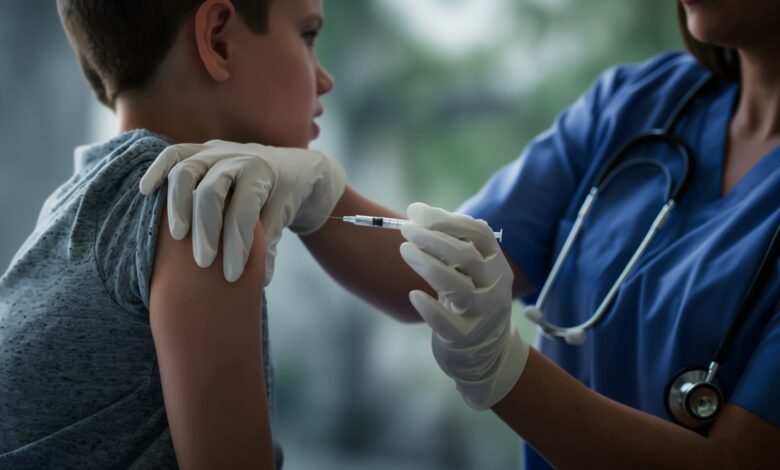
Special attention is being given to regions with low vaccination rates and population groups where outbreaks have been reported. Doctors remind the public that vaccination remains the only reliable way to prevent severe complications and the spread of the virus. As international circumstances hinder the complete eradication of measles, Spain is adapting its measures and acting proactively.
Challenges for the Healthcare System
The current situation has revealed the vulnerability of even advanced healthcare systems in the face of infectious threats. Measles outbreaks have become a reminder that progress achieved in previous years can quickly be lost if collective vigilance declines. In Spain, additional measures are being discussed to engage with parents who refuse to vaccinate their children, as well as new approaches to public awareness.
In the coming months, stricter monitoring of compliance with the national vaccination schedule is expected, along with expanded programs to detect and eliminate infection hotspots. Doctors and epidemiologists warn: delays could lead to new outbreaks and add pressure on hospitals. The question of regaining the country’s measles-free status remains unresolved.