New data from an international team of researchers sheds light on how the ratio of muscle mass to body fat can impact brain health. It turns out that people with well-developed muscles and low levels of visceral fat show signs of slower brain aging. These findings were presented at the annual meeting of the Radiological Society of North America, where experts discussed new ways to assess brain health using modern technology.
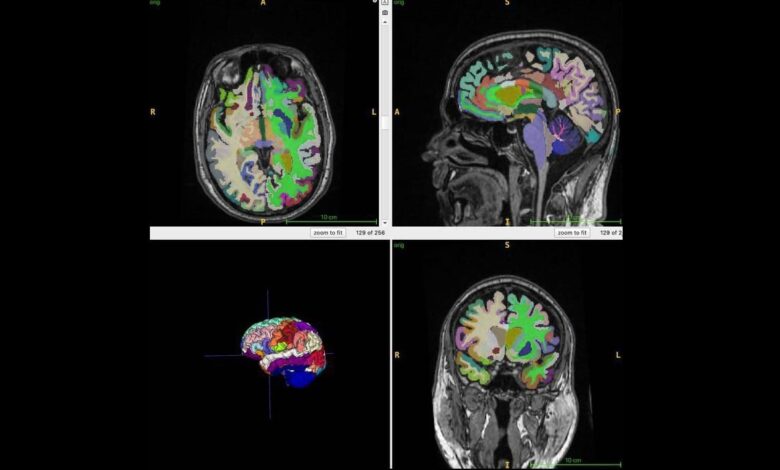
In a large-scale study, scientists analyzed data from more than a thousand people who underwent MRI scans. Particular attention was given to muscle volume, the amount of abdominal fat, and brain age, which was calculated using artificial intelligence. This approach made it possible to identify a clear link between the body’s physical condition and the brain’s biological age.
The results showed that the higher the share of muscle mass and the lower the level of hidden fat, the younger the brain appears on scans. Meanwhile, subcutaneous fat, unlike visceral fat, had little effect on this indicator. Researchers emphasize that maintaining good physical fitness may be one of the key factors in preventing age-related changes in the brain.
Research methodology
The study involved 1,164 volunteers from four medical centers. The average age of the participants was just over 55 years old, with men and women represented almost equally. T1-weighted MRI scans were used to assess the body, allowing for clear distinction between muscle, fat, and brain tissue.
Using artificial intelligence algorithms, specialists calculated the volumes of muscle, visceral and subcutaneous fat, and also determined the so-called ‘brain age’ of each participant. This comprehensive approach made it possible to identify subtle links between physical condition and cognitive health.
Analysis showed that it is visceral fat, which accumulates around internal organs, that has the most negative impact on the brain. At the same time, an increase in muscle mass was associated with a younger biological brain age, which may reduce the risk of developing neurodegenerative diseases.
Impact on health
Experts note that the data obtained confirm the importance of regular physical activity and weight management for preserving cognitive function. Reducing visceral fat and building muscle can be effective strategies for preventing diseases such as Alzheimer’s and other forms of dementia.
According to the lead researcher, these body composition biomarkers could be incorporated into future screening and prevention programs for age-related brain changes. This approach would help identify individuals at higher risk and develop personalized lifestyle recommendations.
Scientists emphasize that even small changes in diet and physical activity levels can significantly impact brain health. Regular strength training and mindful nutrition not only improve physical fitness but also help maintain mental clarity for years to come.
Research prospects
The study is ongoing, with plans to expand the participant pool and explore the impact of other factors such as genetics and lifestyle. Experts hope that new findings will lead to more accurate methods for diagnosing and preventing age-related brain changes.
In the coming years, researchers plan to test various approaches to reducing visceral fat and increasing muscle mass to identify the most effective strategies for different population groups. Special attention will be given to developing personalized programs tailored to each individual’s unique characteristics.
The results obtained are already being applied in clinical practice. Physicians use body composition data to assess the risk of cognitive disorders and to select optimal prevention strategies. This approach not only helps extend active longevity but also improves patients’ quality of life.
If you didn’t know, Cyrus Raji is a leading expert in radiology and neuroscience, working at the Mallinckrodt Institute of Radiology at Washington University School of Medicine in St. Louis. His team is developing innovative methods for diagnosing and preventing brain diseases, using advanced imaging technologies and artificial intelligence. Raji is well known for his work on the impact of lifestyle on brain health and is actively involved in international research projects.