In Spain, COVID has been officially recognized as a chronic disease. This decision by the Ministry of Health marks an important step for thousands of people who have been dealing with the long-term effects of the infection for several years. Now, patients with so-called post-COVID syndrome will be able to receive systematic medical care and support.
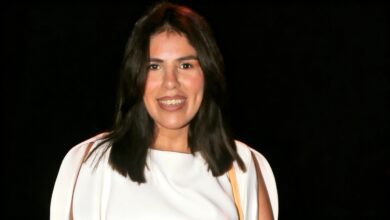
Among those battling the long-term effects of coronavirus is Martina Arevalo. Her life changed back in March 2020 when she contracted COVID. Since then, simple everyday tasks have become a challenge for her. Previously, Martina was active in sports and participated in competitions, but now she has to visit doctors regularly and take multiple medications. Over the past five years, she has undergone dozens of specialist consultations and was forced to leave her job due to her declining health.
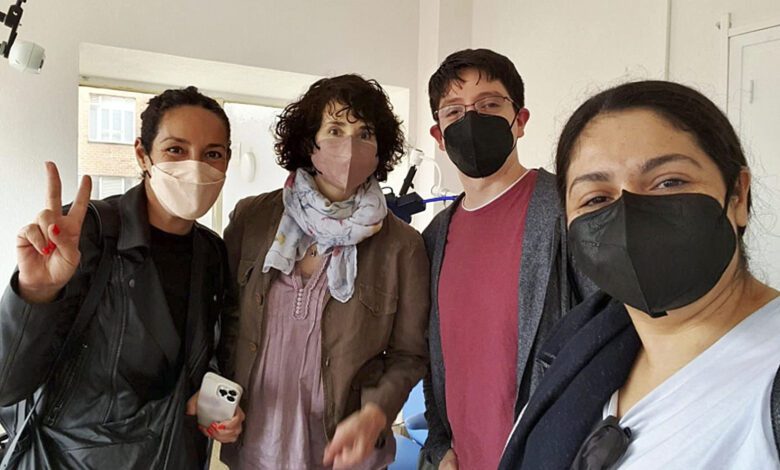
Martina is one of the activists of the Asociación de Pacientes con Síndrome Post-COVID, which brings together hundreds of Spaniards facing similar problems. According to the Ministry of Health, nearly 14 million residents of the country have contracted COVID since the start of the pandemic. For many of them, the illness did not end with recovery: they continue to suffer from chronic fatigue, pain, memory problems, heart issues, and other organ dysfunctions.
The Association notes that cognitive and neurological disorders, persistent fatigue, headaches, digestive problems, and even depression are commonly found among patients. For some, the consequences are so severe that they lose the ability to work or maintain their usual way of life.
The inclusion of COVID in the national plan to combat chronic diseases was the result of sustained efforts by patient organizations. Eight associations prepared a detailed report on the situation and proposed measures to improve care for such patients. This document formed the basis of a parliamentary initiative, which was approved at the end of 2024. In July 2025, the Ministry of Health officially added COVID to the chronic disease strategy for the next three years.
Experts emphasize that post-COVID syndrome is a complex condition that can manifest in more than two hundred different symptoms. Some patients experience severe disorders requiring constant medical supervision, and even the use of wheelchairs. According to experts, about 10% of those who have had COVID face its long-term effects, and during the first waves of the pandemic, this figure reached up to 30%.
The impact of the illness on the ability to work has proven significant: only 15% of patients with post-COVID syndrome are able to continue at their previous jobs, while 10% lose their jobs completely. The new government initiative aims not only to raise awareness about the issue but also to provide patients with a comprehensive approach to treatment — from early diagnosis to personalized rehabilitation programs.
For many Spaniards, the recognition of COVID-19 as a chronic illness has been a long-awaited development. Now they can expect closer attention from doctors and receive the support they need. This marks a first step toward improving the lives of thousands still struggling with the aftermath of the pandemic.