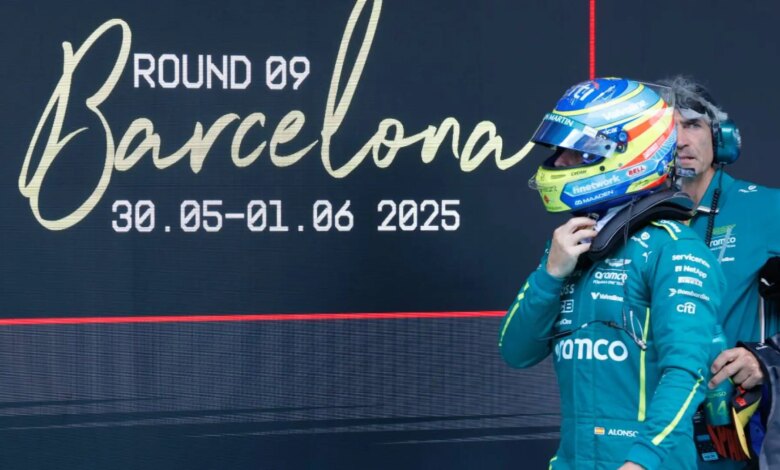
The extension of the Formula 1 race in Barcelona until 2032 shifts the balance of power in European motorsport and brings long-awaited stability for Spanish fans. Spain will now become the only country in Europe where two cities host a Grand Prix: Madrid and Barcelona. This is not only prestigious but also injects massive financial resources into the region, as each race brings in hundreds of millions of euros and thousands of visitors.
However, the usual format is changing. Starting in 2026, the Barcelona Grand Prix will take place only in even-numbered years, alternating with Belgium’s Spa-Francorchamps. This decision is a compromise between the interests of organizers and the increasingly crowded Formula 1 calendar. For motorsport fans, this means longer waits between races in Catalunya, but every event will become a highlight to anticipate and prepare for in advance.
New rules of the game
The appearance of a circuit in Madrid sparked rumors about Barcelona’s possible exit from the calendar. Many feared that the capital would push aside the beloved Montmeló, since it’s rare for one country to host two races in succession. But organizers made a bold move: both cities will now host races, and Barcelona will remain on the Formula 1 calendar at least until 2032. At the same time, the circuit will officially change its name to Circuit de Barcelona-Catalunya, while the familiar ‘Spanish Grand Prix’ will become a thing of the past.
In 2026, Spain will become the only European country to host two Formula 1 races. This not only acknowledges the country’s contribution to motorsport, but also poses a challenge to other European circuits that are losing their place on the calendar. For Catalonia, it’s an opportunity to strengthen its position as a key region on the world motorsport map and attract even more investment.
Reaction and support
The news about the contract extension sparked a wave of emotions among fans and championship participants. Formula 1 CEO Stefano Domenicali noted that Barcelona has always stood out for its special atmosphere and the passion of its spectators. According to him, investments in infrastructure and the organization of fan festivals played a decisive role in reaching the decision. Circuit representative Pol Gibert emphasized that each race brings the region over 300 million euros, and cooperation with Formula 1 has become even stronger.
Support from Fernando Alonso holds special meaning for Spanish fans. The two-time world champion and ambassador of the Catalonia circuit publicly congratulated the organizers on renewing the contract, calling it an important event for the entire country. His remarks highlight how crucial it is for Spanish drivers and fans to have a home race where they can feel the backing of the grandstands.
What fans can expect
The next race in Barcelona will take place as early as June this year, but after that, fans will have to wait until 2028 for the event to return to the Catalan circuit. This schedule makes every Formula 1 return to Barcelona a truly special occasion, turning preparations into a real celebration for locals and visitors alike. In odd-numbered years, Belgium will host the stage, adding intrigue and variety to the championship calendar.
For Spanish drivers like Alonso and Carlos Sainz, it’s a chance to perform in front of their home fans and feel the support from their own stands. In recent years, the role of drivers in Formula 1 has become a frequent topic of discussion, and as noted in the article about changes in the drivers’ role, not everyone is happy with the new rules. Nevertheless, the home Grand Prix remains a key moment for any athlete.
Keeping the race in Barcelona is not just a win for the region, but also a signal to the entire motorsport world: Spain is ready to invest in the future and uphold traditions. The new agreement opens up new opportunities for Catalonia, and for fans, it’s a chance to relive the excitement of big-time racing on home soil again and again.
Fernando Alonso is one of Spain’s most renowned racing drivers, a two-time Formula 1 world champion, and a symbol of national pride. His career began in the early 2000s, and since then he has become not only an idol for millions but also a key figure in the development of motorsport in Spain. Alonso is actively involved in the life of the circuit in Catalonia, supports young drivers, and regularly competes in home races, drawing full grandstands. His contribution to popularizing Formula 1 in the country is hard to overestimate, and his support for decisions like extending the contract with Barcelona makes his voice especially influential for fans and organizers.