Changes in trade relations between the United Kingdom and the European Union directly impact the interests of Spanish producers and exporters. New rules regarding the renaming of traditional British marmalade reflect the consequences of Brexit and London’s efforts to restore economic ties with the continent. For Spain, where the famous bitter oranges are grown, such changes mean not only adjustments to exports but also new opportunities for local companies.
Britain’s alignment with European standards has come in response to economic challenges that arose after leaving the EU. As noted by El Pais, Keir Starmer’s government is actively working to remove barriers to trade in order to restore the trust of European partners. One of the conditions has been the harmonization of product names, resulting in the requirement to label the familiar ‘marmalade’ as ‘citrus marmalade’ when exporting to the continent. This decision surprised British producers, but in Spain it was seen as an opportunity to strengthen their position in the citrus product market.
Background
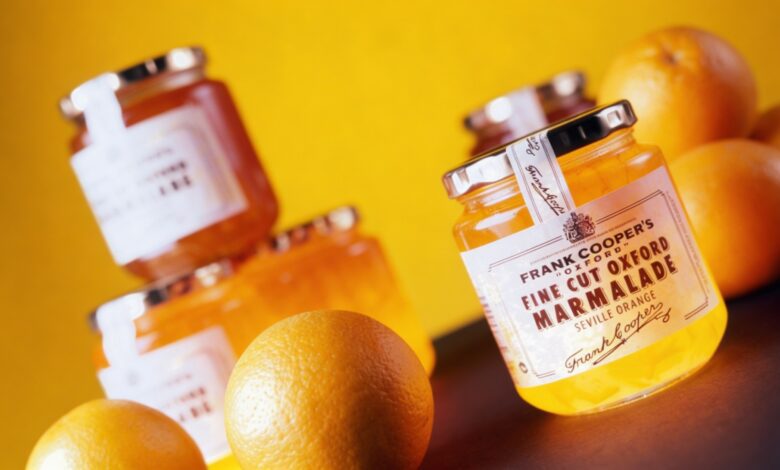
Traditionally in the UK, the word “marmalade” referred exclusively to preserves made from bitter oranges, mainly from Seville. Other fruit preserves were called “jam” or “jelly.” In the 1970s, when the country had just joined the European Economic Community, British diplomats secured an exception allowing the term “marmalade” to be used only for orange products. However, after Brexit these agreements ceased to apply, and now British companies have to adapt to common European standards.
In recent years, according to El Pais, some producers have already started labeling their products as “citrus marmalade” for export to the EU. However, many brands like Frank Cooper’s continue to use the traditional name in the domestic market. This creates confusion among consumers and sparks debate about preserving national traditions. In Spain, where orange marmalade has long been part of the culinary heritage, such changes are seen as confirmation of the importance of local products for the European market.
Reaction and consequences
The decision to rename marmalade prompted a restrained reaction in British society. Even major outlets like the BBC limited themselves to brief reports, and only a few Conservative politicians voiced discontent. In Spain, however, the discussion quickly took on a practical focus: orange producers from Andalusia and other regions see this as an opportunity to boost exports and expand their product range under European brands.
According to El Pais, the British government does not plan to revert to previous exemptions and instead aims for ‘dynamic’ alignment with the EU. This means that any changes in European standards will be automatically implemented in the United Kingdom. This approach has already been discussed in other sectors, for example, in labor market regulations, as recently analyzed by russpain.com in a piece about the impact of new rules on Spanish exporters. in the context of changes in Barcelona’s rental market.
Context and new trends
Renaming marmalade is not the only example of how Brexit is affecting daily life and business. In recent years, British companies have had to review packaging, ingredients, and labeling for products exported to the EU. This applies not only to food, but also to other categories where standards differ. Spanish producers, in turn, are using the situation to promote their goods, highlighting their compliance with European requirements.
In 2022, during Queen Elizabeth II’s Platinum Jubilee celebrations, the topic of marmalade returned to the spotlight thanks to popular cultural icons like Paddington Bear. Now, however, the naming issue goes beyond tradition and has become part of an economic strategy. For Spain, this is an opportunity to strengthen its position in the citrus market and boost exports to the UK and other EU countries.
In recent years, similar situations have emerged in other sectors. For instance, changes to labeling rules for Spanish wines and cheeses after Brexit led to increased demand for products with clear geographic identification. In 2025, new standards for olive oil were discussed, prompting further adjustments in exports. These examples show that adapting to European requirements has become a key factor for successful trade between Spain and the UK.