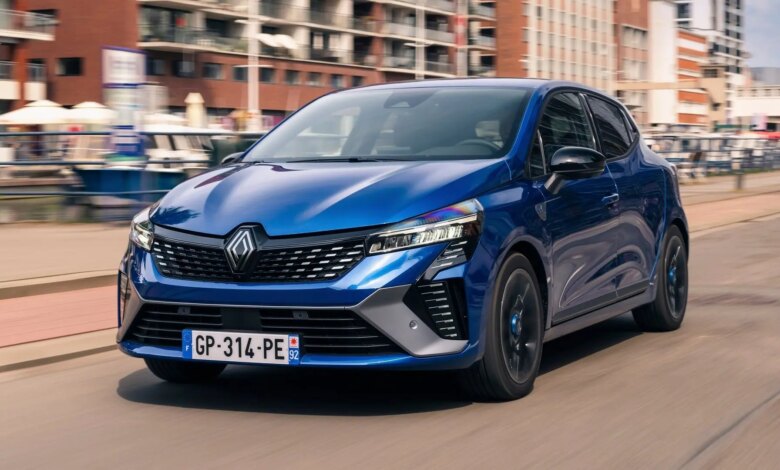
The car market in Germany is at the center of a high-profile conflict: the French group Renault has unexpectedly faced a ban on selling its key Clio and Mégane models. The Munich court’s decision has not only halted sales but also threatens thousands of components that could now be destroyed. For Renault, it’s more than just a legal complication—there’s a real risk of losing its position in one of Europe’s most important markets.
The legal dispute centers on a patent owned by the American company Broadcom. The German court sided with the tech giant, accusing Renault of infringing rights related to data transmission using the Ethernet standard. As a result, the French manufacturer has been forced not only to stop sales but also to prepare for possible disposal of the components used in car navigation and telematics systems.
Patent dispute
At the heart of the dispute is patent application EP1903733, deemed critical for the operation of automotive data networks. This standard enables the functioning of modern navigation systems and communication modules integrated into the Clio and Mégane. Broadcom claims that Renault uses their technology without the necessary license, which prompted the lawsuit.
A court in Munich has issued a temporary ruling, prohibiting the French automaker from selling the specified models in Germany. Moreover, Renault has been ordered to destroy all parts covered by the patent. This decision could result in significant financial losses and logistical challenges for the company, as it involves thousands of electronic components.
Renault’s response
Renault does not intend to give up without a fight. Company representatives have already announced plans to appeal the court’s decision and file counterclaims to challenge the validity of Broadcom’s patent. The French group has also launched an internal investigation to determine exactly which chips are at the center of the dispute, and is considering changing suppliers to avoid further issues.
The company emphasizes that the ban applies exclusively to the German market and only affects two models. In addition, the court ruling will take effect only after Broadcom fulfills a number of formal requirements, including providing a multi-million euro financial guarantee. Until these conditions are met, the vehicles remain available for sale and dealers continue operating as usual.
Potential consequences
The situation surrounding Renault could set a precedent for the entire European automotive industry. If Broadcom succeeds in enforcing the decision, other manufacturers may also face similar lawsuits. As modern cars become increasingly dependent on complex electronic systems, patent wars have the potential to paralyze entire segments of the market.
Experts note that such disputes often end out of court, with parties agreeing to pay licensing fees. However, in this case, the stakes are especially high: it’s not just about money, but also the brand’s reputation and consumer trust. For Renault, losing the German market could deal a serious blow to their overall European strategy.
Market response
German car enthusiasts have already expressed concern over the situation. Clio and Mégane have traditionally enjoyed strong demand, especially among city dwellers who value reliability and modern technology. In the event of a prolonged ban, dealers may face shortages and buyers could see prices rise on the used market.
At the same time, Renault’s competitors are closely monitoring developments. Any delays or disruptions in supplies could benefit other manufacturers seeking to strengthen their positions in Germany. It’s possible that the situation will prompt a review of contracts with suppliers of electronic components across the industry.
Alternative scenarios
Renault is considering several options to overcome the crisis. One of them is the prompt replacement of disputed chips with alternatives that do not infringe Broadcom’s patent. This step would allow vehicles to quickly return to the market, but would require significant investment and time to redesign the systems.
Another possible solution is to enter into a licensing agreement with Broadcom, which would help avoid further legal disputes and maintain a market presence. However, the terms of such an agreement may prove extremely unfavorable for the French company, given the scale of the claims and potential payouts.
In any case, the outcome largely depends on Broadcom’s position. If the American company decides to see the matter through to the end, Renault will have to pay compensation and rethink its entire approach to working with electronic components. Otherwise, the parties may reach a compromise that satisfies both sides and avoids destructive consequences for the business.
Renault is one of the largest car manufacturers in Europe, renowned for its innovations and extensive model lineup. The company actively integrates modern technologies into its vehicles, with a strong focus on digitalization and sustainability. Models like the Clio and Mégane are especially popular in Germany thanks to their combination of affordability, reliability, and advanced features. Patent disputes with technology giants such as Broadcom highlight the complexity of modern automotive systems and the importance of protecting intellectual property in the digital era.