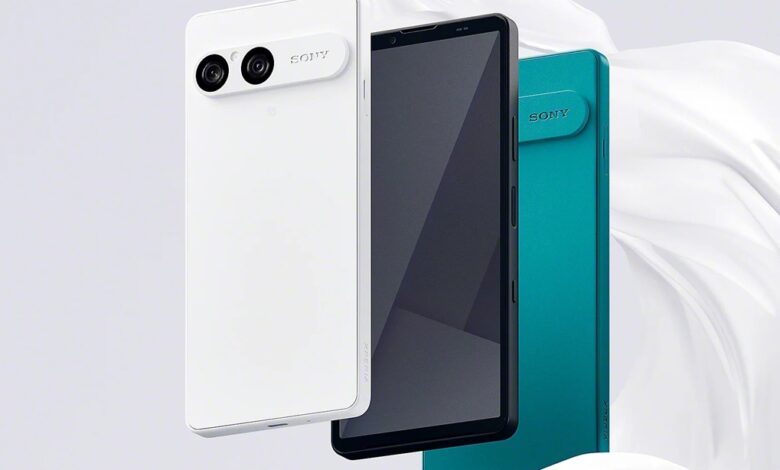
Changes in smartphone packaging
In recent years, there has been a steady trend in the mobile device market: manufacturers are gradually reducing the number of accessories included in the standard package. First, chargers disappeared from the boxes, and now some companies are also giving up USB cables. At the same time, the price of smartphones remains unchanged, raising questions among consumers.
Companies’ motives and user response
Apple was the first major brand to stop including chargers. The company explained this move as an effort to reduce electronic waste and lessen the negative impact on the environment. In their view, most users already own the necessary accessories, so there is no need to duplicate them with every new device purchase.
However, the economic motivation behind this decision is also clear. By reducing the package contents, Apple cut production and logistics costs: packaging became more compact, and shipping cheaper. However, device prices did not decrease, resulting in additional profit for the company. For consumers, this meant that if they did not have a suitable charger or cable, they needed to buy them separately, increasing overall expenses.
New market developments: phasing out USB cables
The next step was the decision by some manufacturers to remove even the USB cable from the package. For example, Sony released the Xperia 10 VII model, which now comes with only the smartphone itself in the box. The company argues that most users already have the necessary cables, and including them again in the package leads to unnecessary resource consumption.
However, not all cables are the same: modern fast charging functions require special accessories, and not every user has them. This creates additional inconvenience and expenses for buyers, especially if they want to make full use of their new device’s capabilities.
Possible implications for the market
Although Sony is not a leader in the smartphone segment, its move could serve as an example for other manufacturers. If major players such as Apple adopt similar practices, this trend could quickly spread across the market. As a result, customers would receive only the device itself, and all necessary accessories would have to be purchased separately.
It is still unclear how other companies will respond and how widespread this approach will become. However, it is already possible to speak of a new model for mobile device packages, where minimalism comes with additional expenses for the end user.