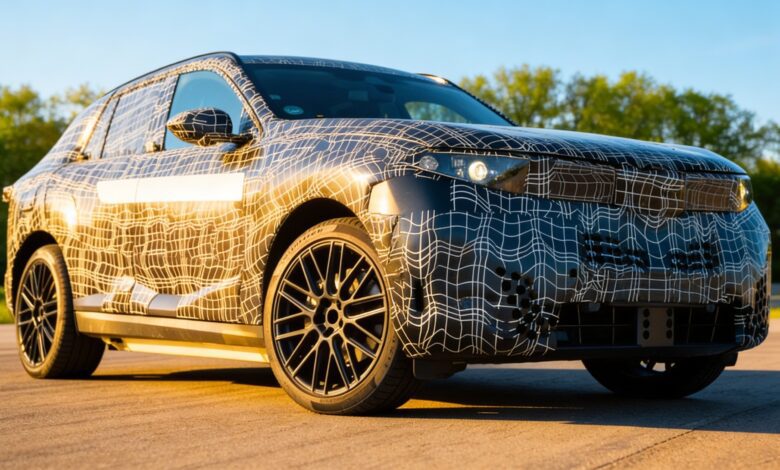
The BMW iX5 Hydrogen is changing the perception of hydrogen-powered cars: it now offers a range of up to 750 kilometers, and its tank design resembles that of an electric vehicle’s battery. This solution not only extends driving distance but also allows refueling in just minutes—crucial for those unwilling to spend time on lengthy charging. With the electric vehicle infrastructure developing unevenly, this approach could be key to the widespread adoption of hydrogen technology.
Storage technology
Instead of traditional cylindrical tanks, BMW has introduced the Hydrogen Flat Storage system. It comprises seven elongated reservoirs arranged in parallel within a robust metal frame. This design saves space and allows seamless integration of the tank into the vehicle’s architecture without compromising cabin space. Each reservoir is made from a composite material reinforced with carbon fiber, providing strength and safety at pressures up to 700 bar. The entire system operates as a single unit controlled by a central valve, simplifying maintenance and increasing reliability.
The hydrogen tank in the BMW iX5 Hydrogen can hold up to 7 kilograms of hydrogen. This enables the vehicle to cover long distances without the need for frequent stops. Refueling takes less than five minutes, which is comparable to conventional gasoline or diesel cars. This makes hydrogen SUVs a strong alternative to electric vehicles, which can take hours to recharge. According to RUSSPAIN.COM, the fast refueling and high range could become decisive factors for buyers in the coming years.
Integration and Production
BMW engineers refer to the new system as ‘Tetris for installation,’ as each component is placed with maximum precision. This enables up to five different BMW X5 versions—from classic hybrids to fully electric and hydrogen models—to be assembled on a single line. Standardizing the geometry of components reduces costs and simplifies the switch to new technologies. As a result, BMW is now considering large-scale production of the iX5 Hydrogen starting in 2028.
The entire hydrogen storage system is integrated with the new-generation Gen3 fuel cell and a high-voltage battery. This delivers both efficiency and the signature driving dynamics of the brand. The Heart of Joy software and Dynamic Performance Control system ensure handling and response on par with the best BMW models. As a result, the hydrogen SUV offers a driving experience comparable to conventional cars, while its range and refueling convenience even surpass many electric vehicles.
Market Impact
BMW is betting on flexibility: by integrating hydrogen technology into the X5 lineup, the company expands customer choice and reduces reliance on a single infrastructure. As electric vehicles continue to face limitations in range and charging time, hydrogen solutions are becoming increasingly attractive. As Auto Bild points out, the key advantage remains the ability to quickly refuel and continue the journey without long stops.
Across Europe, experts are already debating how hydrogen cars could shift the balance of power in the market. Some compare the situation to the rise of hybrids, which are pushing out electric vehicles thanks to their versatility and ease of use. Similar trends are emerging in Spain, where, according to market analysts, hybrid models are gradually taking the lead, while interest in alternative energy sources continues to grow.
Safety and prospects
Special attention is given to safety: the tanks are protected by the body structure, minimizing risks in accidents. This integration not only preserves useful cabin space but also improves resistance to external impacts. For family SUVs, this is especially important, as passenger safety is always a top priority. In addition, the modular architecture makes it easier to introduce new technologies without drastic changes in production.
In the coming years, BMW plans to expand its hydrogen model lineup, focusing on a combination of long range, fast refueling, and versatility. This approach could shift the balance of power in the market and accelerate the transition to environmentally friendly transportation. As demand for electric vehicles faces limitations, hydrogen solutions are becoming increasingly relevant for European consumers.
BMW is one of the few car manufacturers consistently investing in the development of hydrogen technologies. The company has been testing prototypes and integrating innovations into production models for several years. The hydrogen-powered iX5 Hydrogen is the result of years of work by engineers and designers aiming to combine sustainability, practicality, and BMW’s signature driving dynamics. Thanks to this strategy, the brand maintains its leadership in the premium SUV segment and sets new standards for the entire industry.