The February week in Madrid becomes a key moment for everyone seeking new experiences and unwilling to settle for the winter routine. Changing weather creates opportunities for strolls and cultural discoveries, while city authorities focus on accessibility: most events are free and cater to all generations. This year, Carnival and Valentine’s Day coincide, lending a special atmosphere to the festivities and uniting the capital’s residents in a single festive rhythm.
Carnival returns
From February 14 to 18, Madrid’s streets will once again fill with music, dancing, and vibrant costumes. The main theme of the carnival—a masquerade in 1920s style with art deco elements—promises unique visuals and a retro vibe. The primary venues, Matadero and Madrid Río, will be the hubs for families, young people, and all fans of street celebrations. The program features theatrical parades, circus acts, giant puppets and fantastical creatures, as well as traditional neighborhood troupes adding color and local charm.
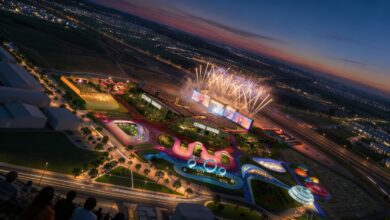
Special attention goes to the opening parade, which will transform Madrid Río into a vast open-air stage. Theater, circus, giant marionettes, and music groups from around the world will create the feel of a true street performance. On the same day, visitors can enjoy the Giants and Big-Heads parade, the Magic Bubble soap bubble show, a puppet performance by Ángeles de trapo, a grand opening ceremony, and a big party.
Music and art
On the evening of February 14, the capital’s cultural life continues with a concert by Paloma Cosano and her big band. The program features a blend of modern jazz, Andalusian folklore, and flamenco. Saxophones, trumpets, trombones, electric guitar, piano, double bass, and percussion will weave a rich musical tapestry, while the award-winning vocalist’s voice will be the highlight of the night. The concert will take place at the Centro Cultural Paco de Lucía, easily accessible by metro or bus.
Fans of visual art should check out the exhibition ‘Postcards of Memory’ (Postales de la memoria) by Panamanian artist Giana De Dier. Hosted at the Royal Photographic Society (Real Sociedad Fotográfica), the show brings together historical photographs and collages, exploring the experiences and heritage of Afro-Caribbean women who migrated to Panama in the early 20th century. The artist’s works examine movement and adaptation to new environments, while raising questions of identity and memory.
Cinema and literature
On February 20, Centro Cultural La Vaguada will host a free screening of the film ‘Madrid, EXT.’ by director Juan Cavestany, featuring music by Guille Galván. The film serves as a visual and audio archive of the capital’s life, merging documentary footage, experimentation, drama, and comedy. It deconstructs the city’s familiar image, inviting the audience to see its streets and people from a new perspective. Additional screenings are scheduled in the Salamanca and Usera districts.
On Wednesday, February 18, the Casa de América will host the presentation of the book “We Are Invisible. The Angels of San Antón” (Somos invisibles. Los ángeles de San Antón) by leadership expert Euprepio Padula. The author reflects on the fragility of life and how a series of trials—separation, illness, loss, loneliness—can alter anyone’s destiny. The book promises to spark deep reflection about ourselves and those around us.
Strolls and Inspiration
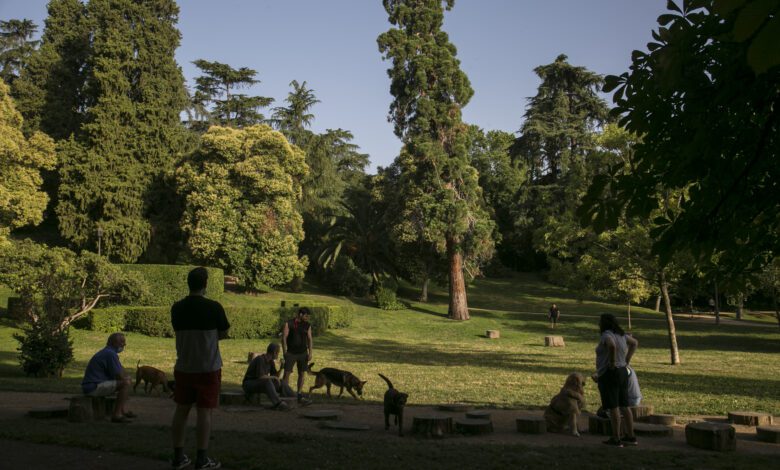
For those who prefer solitude and nature, the historic Quinta de la Fuente del Berro park in the Salamanca district offers ideal conditions for romantic walks. This 17th-century garden, recognized as a cultural heritage site, is renowned for its picturesque paths, ponds, and fountains. The park’s atmosphere seems tailor-made for leisurely conversations and new discoveries, especially on days when the city is filled with a festive spirit.
In recent years, Madrid has increasingly become a stage for large-scale cultural experiments. In February 2026, the capital again impresses with its diverse formats and bold choices, as evidenced by the experience of other Spanish cities, where cultural events transform the winter landscape. These initiatives not only revitalize the city but also help shape new traditions, bringing together both locals and visitors.
In recent years, Madrid has been actively expanding its cultural agenda, focusing on free and inclusive events. Carnivals and street festivals have become an integral part of city life, while music and art projects attract the attention of both locals and tourists. In 2025, similar events in Barcelona and Seville sparked widespread interest, and new holiday formats helped draw a record number of participants. Such initiatives contribute to the development of the urban environment and strengthen the cultural identity of the capital.