Just a few kilometers from Spain’s bustling capital lies a true wildlife oasis—the Regional Park of Cuenca Alta del Manzanares. This is not just another green space; it is the oldest protected area in the Community of Madrid and has proudly held the status of a UNESCO Biosphere Reserve since 1992. Its uniqueness stems not only from its ecological value but also from its remarkable proximity to the metropolis, making it an invaluable natural treasure.
At first glance, it may go unnoticed among the many other natural landmarks in the northwest of the Madrid region. However, venturing into its territory reveals its full significance. The park serves as a vital green corridor connecting the urban area with the majestic Sierra de Guadarrama mountains. Traditional activities such as livestock grazing and firewood collection, which have shaped its distinctive landscape for centuries, are still preserved here.
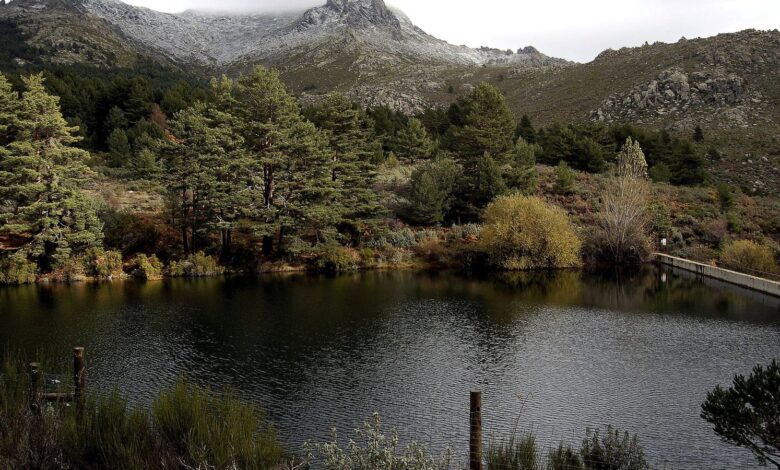
The park spans over 42,500 hectares and covers land across 18 municipalities, including well-known areas such as Manzanares el Real, Colmenar Viejo, Hoyo de Manzanares, and Soto del Real. The park’s landscape is dominated by impressive granite formations. Its crown jewel is the La Pedriza massif, where relentless erosion has sculpted bizarre rocks, domes, and ridges that are both awe-inspiring and breathtaking. The variety of landscapes is enhanced by gneisses and tertiary deposits, creating a unique mosaic of natural zones.
The park’s hydrological network is equally significant. The main waterway is the Manzanares River, which originates from the Ventisquero de la Condesa glacier. It flows through the park for 25 kilometers before emptying into the picturesque Santillana Reservoir. Other rivers such as the Miraflores also traverse the park, with their banks lined by gallery forests that serve as natural corridors for wildlife migration.
In addition to its status as a Biosphere Reserve, the park boasts several other protected designations. It contains Special Protection Areas for Birds (ZEPA), such as Alto Lozoya and Soto de Viñuelas, as well as Special Areas of Conservation (ZEC), which include stretches of the Manzanares, Lozoya, and Guadarrama rivers. More than 50 wetlands scattered throughout the park are of immense value to the region’s flora and fauna.
Reaching this natural wonder is easy. The M-607 expressway (Madrid – Colmenar Viejo) provides quick access to the eastern part of the park. From the A-6 motorway (Madrid – La Coruña), you can take the M-608 road, which leads to Manzanares el Real and Soto del Real, running along the shore of the Santillana reservoir. Another option is the M-618 route, which crosses Hoyo de Manzanares and connects Torrelodones with Colmenar Viejo, passing through ecologically valuable areas.
For reference, UNESCO Biosphere Reserve status is given to areas that demonstrate a balanced interaction between humans and nature. These are not just protected zones, but rather ‘living laboratories’ where approaches to sustainable development are tested and implemented. The designation of Cuenca Alta del Manzanares Park in 1992 highlighted its exceptional role in preserving the region’s biodiversity and cultural heritage, as well as its importance as a model for harmonious coexistence between urban and natural ecosystems.