Fans of rural tourism and history enthusiasts now have a compelling reason to plan a new trip. A new must-visit spot has appeared on Spain’s map—a small medieval enclave in the northeast of the Burgos province that has just received one of the country’s most coveted distinctions. Starting in 2026, it will officially join the prestigious list of “Spain’s Most Beautiful Villages,” a status that is sure to make it a popular tourist destination.
This new magnet for travelers is Santa Gadea del Cid, a charming village with a rich past, located on the eastern edge of Burgos, right next to Miranda de Ebro and the border with the Basque Country. Its cultural value was recognized long ago: back in 1973, the settlement was declared a Site of Cultural Interest, and in 2022, it was named the most beautiful village in all of Castilla y León. Its inclusion in this elite network comes as a logical result after passing a rigorous assessment, which confirmed both its uniqueness and remarkable state of preservation.
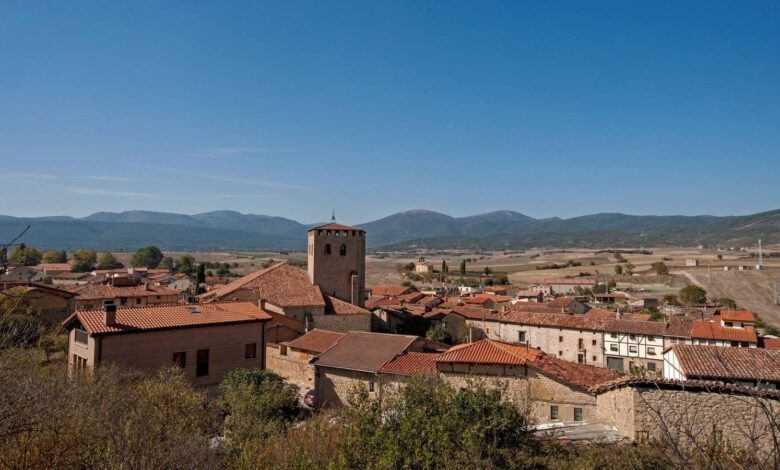
What makes Santa Gadea del Cid so special? Above all, it is the village’s well-preserved historic appearance and imposing defensive silhouette. The church-fortress of Santa María, dating back to the 14th century, rises above the tidy streets—a silent witness to the enclave’s strategic importance in times past. As you stroll through the village, you’ll discover old houses adorned with coats of arms, remnants of fortress walls, and the ambiance of bygone eras. Experts from the association have called it “an outstanding example of heritage preservation.”
For visitors discovering Santa Gadea del Cid for the first time, a walk through its streets feels like a genuine journey into the Middle Ages. The main thoroughfare, Calle Mayor, acts as a timeline, guiding you past Renaissance-era buildings adorned with arches and façades of stone, brick, and wood. The village, which grew at the foot of the castle and was sheltered by its walls, spent centuries at the crossroads of trade and culture—a legacy still felt today in its harmonious, tranquil atmosphere.
The surrounding natural landscape perfectly complements the architectural ensemble. From the heights of the historic center, panoramic views open up over the Ebro Valley, green hills, oak groves, and farmland. This scenery creates ideal conditions for those seeking tranquility and beauty in the Burgos countryside. The list of local attractions is impressive for such a compact place. In addition to the already mentioned castle with its towers and walls, special attention should be paid to the preserved gates—Puerta de Abajo and Puerta de Encima de la Villa. The heart of community life is the arcaded square, a classic example of Castilian architecture, where the former San Lázaro hospital, now a cozy café, is located. The village tour also includes the Monasterio del Espino and several ancient chapels, making a visit here both rich and educational.