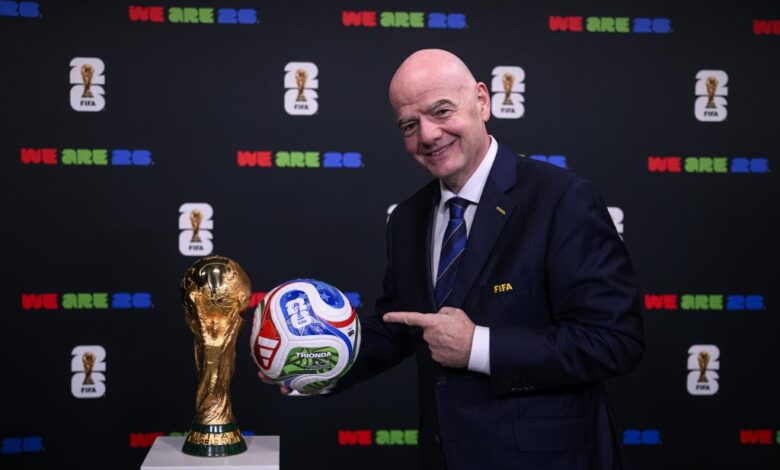
Under the leadership of Gianni Infantino, FIFA continues to push forward with large-scale reforms in world football. The organization is considering the possibility of holding major tournaments during the winter season, which would completely change the traditional rhythm of competitions and team preparations.
Among the key initiatives is the rescheduling of World Cups to months when weather conditions allow matches to be played almost anywhere on the planet. This approach was already tested at the Qatar World Cup in 2022 and is now being considered as the new norm for future tournaments, including the event planned for 2034 in Saudi Arabia.
At the same time, FIFA plans to expand the calendar by adding more competitions. In particular, the format of the Club World Cup may be changed: the number of participants will increase from 32 to 48, and the tournament itself would be held more frequently—every two years. This means leading players could play up to 70 matches per season, balancing appearances for both club and national teams.
These changes will also affect the preparation process. Clubs such as Real Madrid, Paris Saint-Germain, and Chelsea have already faced shorter preseason camps. New tournament schedules will force teams to revise their training plans and the integration of new players.
The transfer market is also set for changes: additional transfer windows will be introduced, the timing of deals will shift, and the conditions for integrating players into new teams will be updated. This could impact squad-building strategies and the work of sports departments.
As a result of the reforms, countries with developing football markets—especially in Africa and Asia—stand to gain the most. With favorable climates and financial resources, they have more opportunities to host major football events. At the same time, nations with a rich football history but fewer resources may find themselves at a disadvantage.
In the near future, the number of international breaks for national teams is expected to decrease, and the qualification system for the World Cup and European Championship will be reviewed. FIFA has already charted a course for development: a tight schedule, new revenue streams, and a departure from established traditions. Everyone involved in the football process will have to adapt to these new realities.