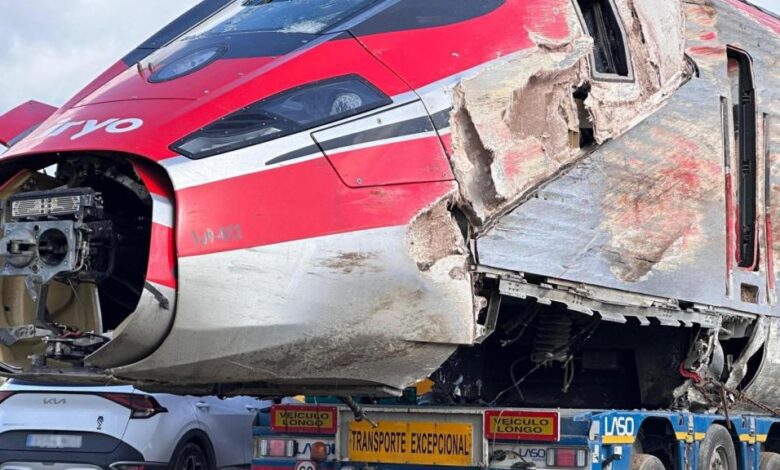
The death of another victim in the Adamuz rail disaster has once again drawn attention to the magnitude of the tragedy that has shaken Spain. For many in the country, this is not just another news story—it is the most serious railway accident in recent years, with repercussions felt far beyond Andalusia. With each new loss, it becomes increasingly evident: the tragedy has affected not only the families of the victims but the entire transport safety system.
The deceased, 42-year-old Patricia from the province of Huelva, became the 46th victim of the collision between two trains that occurred on January 18 on the Córdoba railway line. She was returning home after taking exams for civil service positions held in Madrid. Fate intervened, ending her journey on the very day when hundreds of people were rushing home to their families. After the accident, Patricia was taken to the intensive care unit at the Reina Sofía Hospital in Córdoba, where doctors fought for her life for several days. Her lung condition was critical, and despite the medical team’s efforts, she could not be saved.
Aftermath of the accident
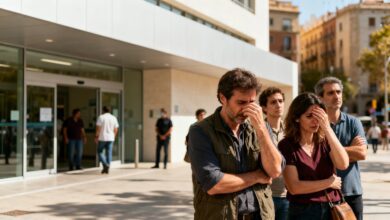
Patricia’s death was a heavy blow for the people of Huelva, as this province suffered the greatest losses from the disaster—29 fatalities. Recalling the events of that day, many say the tragedy marked a clear ‘before’ and ‘after’ in their lives. Regional authorities and representatives of the central government expressed their condolences to the victims’ families and promised support to those affected. Dozens of people who suffered severe injuries in the train collision are still receiving treatment in hospitals in Córdoba and other cities.
On the day Patricia’s death became known, a memorial mass was held in Huelva, attended not only by relatives of the victims and survivors, but also members of the royal family and high-ranking officials. More than 4,000 city residents gathered to show solidarity and support for those caught at the center of the tragedy. An atmosphere of mourning and unity prevailed in the church, where words of support and prayers were offered for everyone who suffered on that fateful day.
Public response
Public reaction to the disaster has not subsided. Both on social media and in the streets, people are discussing not only the causes of the accident but also how to prevent such tragedies in the future. Many are demanding a review of railway safety standards, stricter control over the technical condition of trains, and increased accountability for transport operators. Authorities have promised a thorough investigation and the introduction of measures to ensure this does not happen again.
The families of the victims and survivors are coming together to seek justice and systemic change. For them, it is important not only to honor the memory of their loved ones but also to do everything possible to prevent this tragedy from happening again. As Huelva and the whole of Spain remember Patricia and the other victims, people are asking: what else must happen before passenger safety becomes a priority for everyone involved in the transport system?
Память и поддержка
The memorial events in Huelva have become a symbol of unity and support. The presence of the royal family and government officials highlighted the significance of the tragedy for the entire country. People continue to bring flowers to the site of the accident, light candles, and share memories of those lost. For many, this is not just a formality but a way to express their pain and hope for change.
As the investigation continues and the number of victims grows, Spain once again faces questions about safety and accountability. Patricia’s story has become yet another reminder of the fragility of life and the urgent need for change. Ahead lies a long road to restoring trust and searching for answers to questions that concern the entire country.