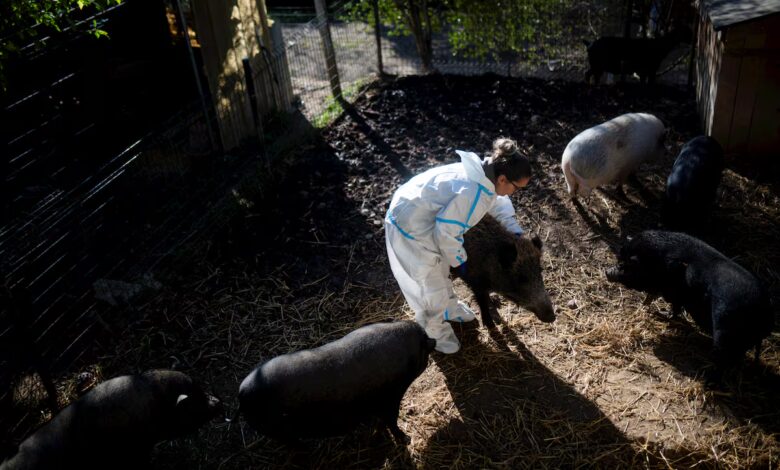
Catalonia is embarking on a new phase in the fight for livestock safety. Regional authorities have announced the launch of an ambitious program aimed at protecting pig farms from sanitary risks and preserving the economic stability of the industry. The Catalan pork sector holds a leading position in Spain, supplying nearly half of the country’s total production. Now, it faces new challenges that demand decisive action.
Minister of Agriculture Òscar Ordeig has unveiled a new plan that includes twelve areas of action. The focus is not only on animal health but also on protecting consumer interests and supporting farmers affected by recent crises. Authorities emphasize that this is a comprehensive approach intended to cover every link in the chain—from large enterprises to small farms, including even those for personal consumption.
Reasons for change
Recent developments in the industry have prompted officials to act swiftly. Although no threats to humans have been detected so far, outbreaks of animal diseases have already resulted in significant economic losses. Specifically, following the detection of the first case of African swine fever among wild boars, live pig prices dropped sharply. This served as a wake-up call for the entire sector.
At the same time, an audit of the CReSA laboratory—suspected of a possible virus leak—failed to provide clear answers. Authorities decided not to wait for new problems and to implement preventive measures. Priorities include strengthening animal transport controls and training drivers in disinfection procedures. Special attention will also be paid to farms operating without official registration: their activities will now be closely monitored.
New Rules and Oversight
The program plans to introduce a system of ongoing risk monitoring. Farmers and businesses will receive regular information campaigns reminding them of the importance of following biosecurity standards. Violators may face restrictions, up to and including the temporary suspension of their operations.
A key part of the strategy is the annual inspection of all farms to ensure compliance with the new requirements. A special commission will be established for coordination, including representatives from regional authorities, the veterinary service, and industry organizations. They will meet monthly to monitor the situation and adjust actions as needed.
Farmers’ Response
Catalan farmers have long demanded stricter controls, especially after last year’s avian flu outbreak, which led to the culling of millions of chickens. It was then revealed that many small farms were not listed in official registries, as their owners feared high taxes. Now, the authorities are promising a more transparent system and support for those willing to comply with the new rules.
Farmers’ unions emphasize that the industry needs not only to safeguard animal health but also to ensure economic sustainability. Amid rising competition and tougher health regulations, any disruption could bring significant losses. That’s why most market players support the government’s initiative, although they admit the transition period will be challenging.
Economic aspect
Pig farming is one of the key sectors of the Catalan economy. According to the authorities, the region is home to about eight million pigs, with Catalonia accounting for 40% of national production. Any shocks in the sector are immediately reflected in prices and employment.
The recent drop in live pig prices has raised concerns among all market participants. Authorities believe that only a comprehensive approach and strict oversight can prevent future crises. In the near future, farmers can expect new inspections, training, and possibly additional investments in farm modernization.