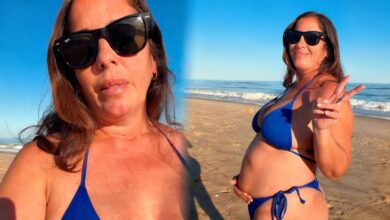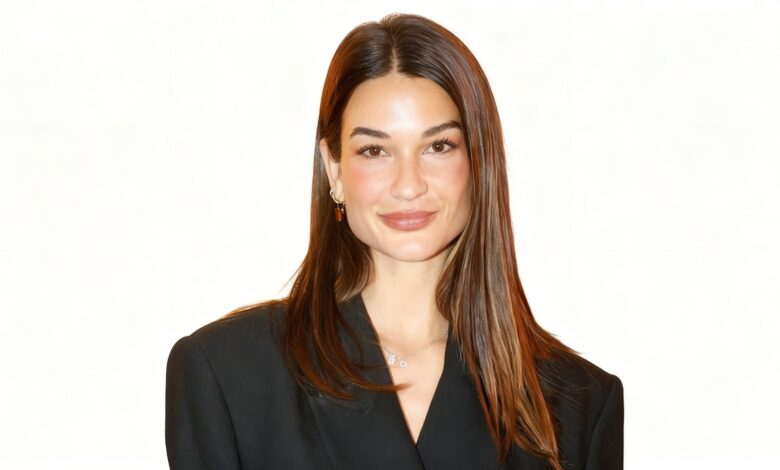
After giving birth to twins, Estela Grande found herself in the spotlight not just because of the happy event, but also due to the challenges many women face after a multiple pregnancy. In the first weeks after being discharged from the hospital, when the family finally returned home, it became clear that postpartum recovery is not always smooth. According to Divinity, Estela openly shares her experiences on social media, candidly talking about both the joys and the difficulties of motherhood.
One of the most noticeable effects of pregnancy for Estela has been diastasis recti—a separation of the abdominal muscles that is common among women after childbirth, especially with multiple pregnancies. Despite significant weight loss, the young mother found that her stomach did not return to its previous shape. She notes that the gap between the muscles reaches three centimeters, and professional help is needed for recovery. Estela has already started working with trainers who assisted her during pregnancy and are now helping her during the postpartum period.
The road to recovery
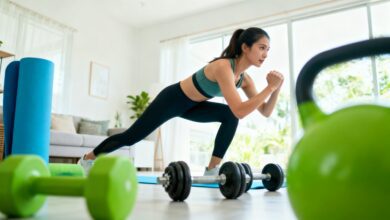
Recovery after childbirth has become a real challenge for Estela Grande. She admits that the process requires time and patience, especially after a cesarean section. The sensation of numbness around the scar persists, and full recovery of the abdominal muscles may take up to a year. Nevertheless, Estela remains determined and openly states that she is ready to make every effort for her own health and the well-being of her children. According to her, support from professionals and regular workouts are key factors on this journey.
Diastasis, which Estela has faced, is not uncommon among women who have gone through pregnancy. This condition occurs due to stretching of the connective tissue between the abdominal muscles under the influence of hormones and internal pressure. In most cases, the muscles recover on their own within the first two months after childbirth, but if the split exceeds two centimeters, specialist help is needed. Ignoring the issue can lead to back pain, weakened core muscles, digestive problems, and even hernia development.
The impact of breastfeeding
In addition to diastasis, Estela Grande faced another common postpartum challenge—rapid weight loss. As reported by Divinity, just one month after giving birth her weight was already lower than it had been before pregnancy. The main reason is the high energy demands of breastfeeding, especially when feeding two babies at once. According to RUSSPAIN.COM estimates, daily energy expenditure on lactation can exceed 1,000 calories, explaining such a rapid decrease in body weight.
Estela herself emphasizes that her weight loss is not due to diets or restrictions. She explains that her babies are very demanding and her body uses all its resources to produce milk. Many young mothers are familiar with this experience, and discussion of the topic on social media draws an active response from followers.
An open discussion about challenges
Estela Grande doesn’t limit herself to talking about physical changes. She also shares the emotional aspects of motherhood, openly acknowledging the difficulties and exhaustion. This approach resonates with many women who go through similar challenges after childbirth. Importantly, Estela does not idealize motherhood but shows its different sides, including moments when the help of professionals is needed.
In Spanish society, the topic of postpartum recovery is gaining increasing attention. More and more women are openly discussing the physical and psychological changes that come with motherhood. For instance, a similar experience was shared by another well-known Spanish mother — Ángel Pantoja, who also spoke about her emotions after giving birth. These stories help break stereotypes and support women through challenging times.
Estela Grande is a Spanish model and popular blogger who actively shares her personal experiences on social media. Her candid posts about motherhood and postpartum recovery have attracted a wide audience. Thanks to her openness and honesty, Estela has become a symbol of support and inspiration for many women regarding health and family life. Her approach to postpartum recovery and willingness to address difficult topics contribute to a more realistic view of motherhood in modern Spain.